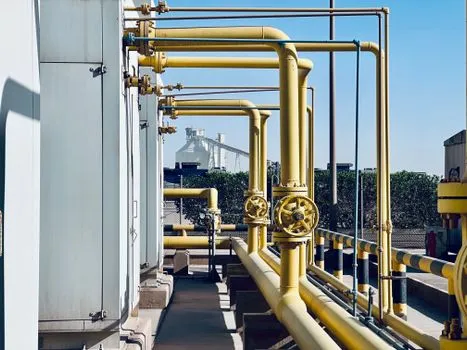
The Nigeria-Morocco gas pipeline is a major infrastructure project designed to transport natural gas from Nigeria to Morocco and onward to Europe. According to the Nigerian National Petroleum Corporation (NNPC) and Morocco's Office National des Hydrocarbures et des Mines (ONHYM), the pipeline will span approximately 5,600 kilometers (3,480 miles) and pass through 13 West African countries, including Benin, Togo, Ghana, and Côte d'Ivoire.
As of July 2026, the project is in the advanced planning stage. In 2022, the Economic Community of West African States (ECOWAS) signed a memorandum of understanding with NNPC and ONHYM to support the pipeline's development. The estimated cost is around $25 billion, with construction expected to begin in 2025 and completion targeted for 2030, according to reports from Reuters and African Business.
The pipeline aims to monetize Nigeria's abundant natural gas reserves, which are among the largest in Africa, while providing a new energy source for European markets seeking alternatives to Russian gas. It is also expected to boost economic integration and energy access in West Africa, where many countries face electricity shortages.
However, challenges remain, including security risks in the Niger Delta region, financing gaps, and regulatory hurdles across multiple jurisdictions. The project has been under discussion since 2016, and delays have occurred due to the complexity of coordinating among 13 countries.