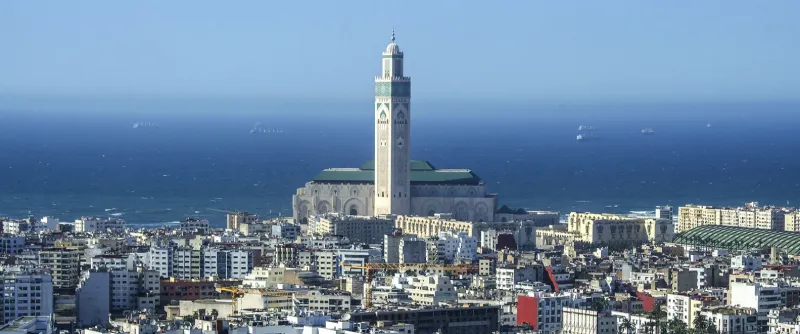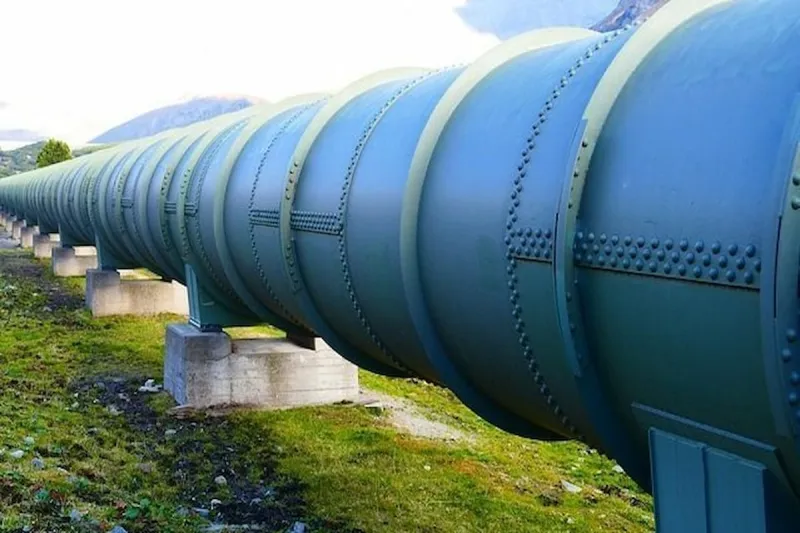
The intergovernmental agreement for the Nigeria-Morocco Gas Pipeline (NMGP) is reportedly in its final stages and expected to be signed imminently. This agreement is a critical step for the massive infrastructure project, which aims to transport Nigerian natural gas along the West African coast to Morocco and potentially onward to Europe.
The pipeline, first proposed in 2016, is envisioned to span approximately 5,600 kilometers (3,480 miles) across 13 African countries. It is a joint initiative between the Nigerian National Petroleum Company Limited (NNPC) and Morocco's National Office of Hydrocarbons and Mines (ONHYM). The project is seen as a strategic endeavor to boost regional energy security and economic integration.
Recent reports indicate that technical and commercial studies for the project are advancing. The final investment decision is anticipated after the signing of the intergovernmental agreement, which will formalize the cooperation framework between the participating nations. The pipeline's construction is expected to be phased over several years.
The NMGP is positioned as a key piece of infrastructure to support economic development in West Africa and provide a new export route for Nigerian gas. Its progress comes amid broader European efforts to diversify gas supplies, though the project faces significant financial, logistical, and geopolitical challenges before becoming operational.