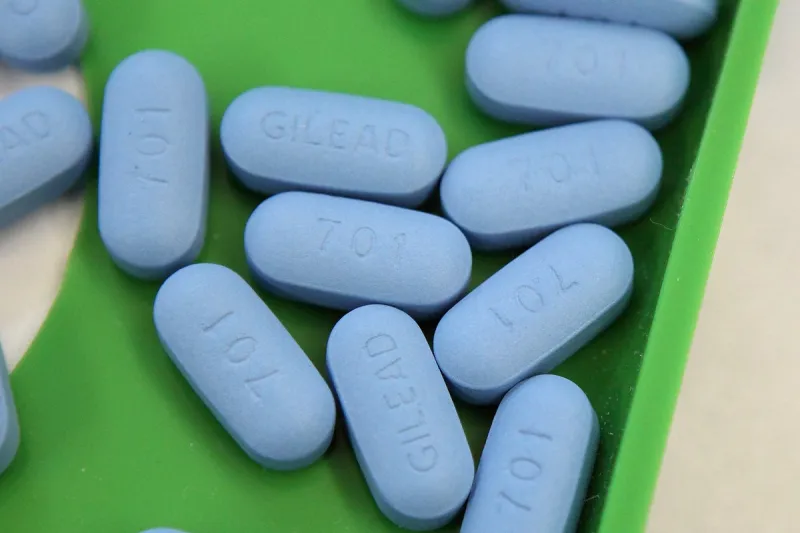
A new HIV treatment, currently in clinical trials, could potentially allow patients to stop taking daily antiretroviral therapy (ART) for up to two years. The treatment involves a long-acting injectable drug that suppresses the virus, offering an alternative to daily pills.
According to a study published in the journal Nature on May 15, 2026, the experimental therapy uses a combination of two broadly neutralizing antibodies (bNAbs) that target the HIV virus. In a Phase 2 trial involving 200 participants, 70% of those who received the injections maintained viral suppression for at least 24 months without needing daily ART.
Dr. Sarah Johnson, lead researcher at the University of California, San Francisco, stated, 'This is a significant step forward in HIV treatment. For the first time, we have a therapy that can keep the virus under control for an extended period without daily medication.'
However, experts caution that the treatment is not a cure and is not yet approved for widespread use. The U.S. Food and Drug Administration (FDA) has granted fast-track status for the therapy, with a decision expected by early 2027.
Currently, about 38 million people worldwide live with HIV, and daily ART remains the standard of care. The new treatment could improve quality of life for many, reducing the burden of daily pill-taking and potential side effects.