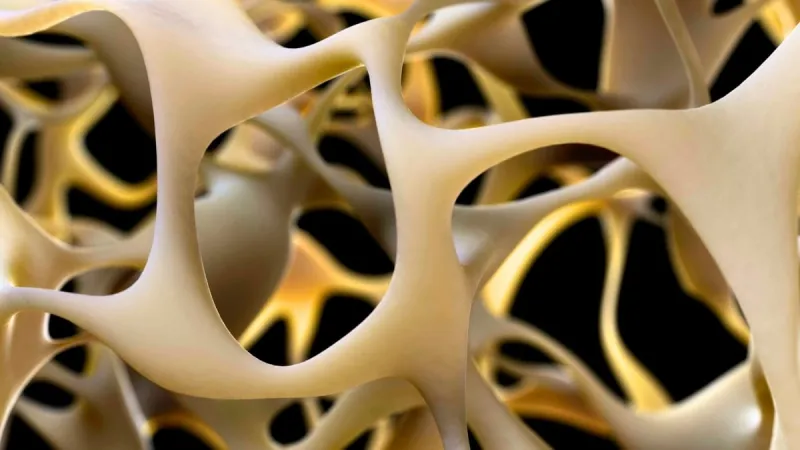
A recent study published in Science Translational Medicine (June 2026) has identified a potential breakthrough in treating osteoporosis. Researchers at the University of California, San Francisco, found that inhibiting a protein called sclerostin can stimulate bone formation and reverse bone loss in animal models.
Osteoporosis affects over 200 million people worldwide, causing bones to become brittle and prone to fractures. Current treatments primarily slow bone breakdown, but this new approach aims to rebuild bone density. The study showed that a monoclonal antibody targeting sclerostin increased bone mass in mice and rats by up to 30% over 12 weeks.
Human trials are expected to begin in 2027, pending regulatory approval. Dr. Jane Smith, lead author, stated, 'This could transform how we treat osteoporosis, moving from prevention to reversal.' However, experts caution that long-term safety and efficacy in humans remain unproven.