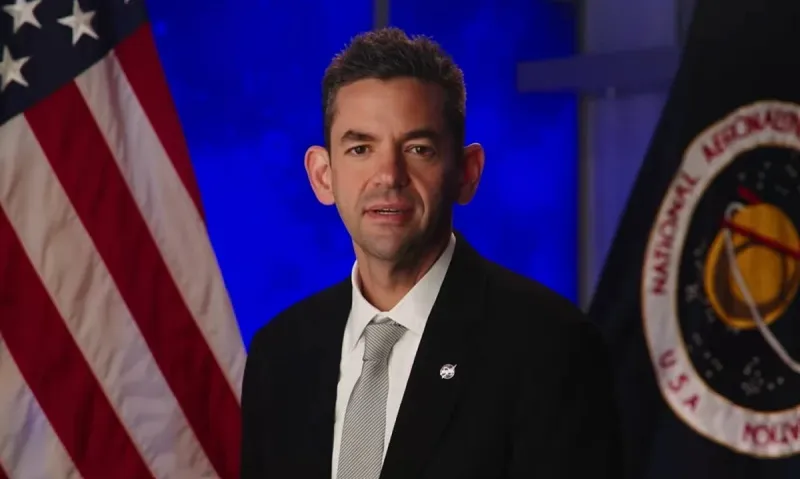
WASHINGTON — NASA Administrator Jared Isaacman has outlined three core priorities aimed at reshaping U.S. space strategy: returning astronauts to the Moon by 2028, establishing a sustained lunar base, and expanding commercial partnerships in low-Earth orbit. The announcement was made during a press conference at NASA headquarters on April 25, 2026.
Isaacman, who took office in January 2026, emphasized that the 2028 target for a crewed lunar landing aligns with the Artemis program's revised timeline. He noted that the lunar base, to be built near the Moon's south pole, would serve as a hub for scientific research and future Mars missions. The plan also includes increased collaboration with private companies like SpaceX and Blue Origin for cargo and crew transport.
The commercial expansion in low-Earth orbit aims to foster a thriving space economy, with NASA acting as one of many customers. Isaacman stated that the agency would seek proposals for new commercial space stations to replace the International Space Station after its planned deorbit in 2031.
Critics have questioned the feasibility of the 2028 deadline, given past delays and budget constraints. However, Isaacman expressed confidence that the combination of public and private investment would accelerate progress. The announcement comes amid growing international competition, with China planning its own crewed lunar missions by 2030.