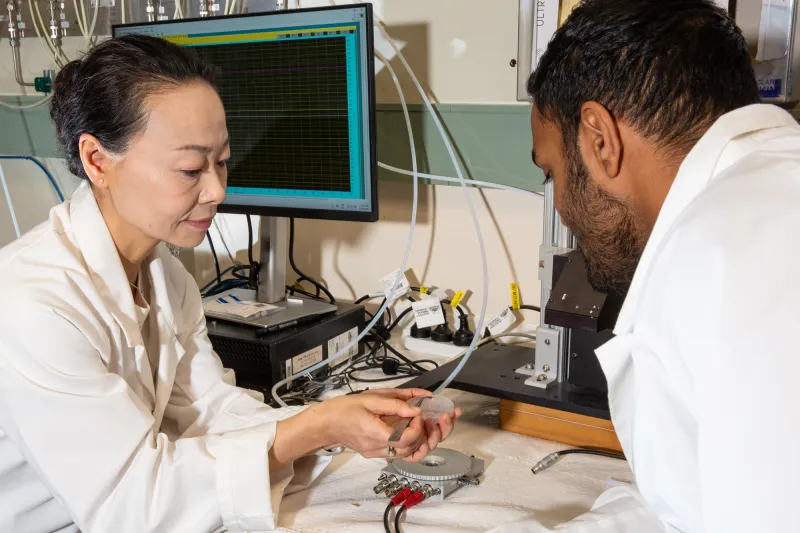
Professor Lan Fu, a researcher at the Australian National University (ANU), is awaiting the start of a pilot clinical study for the Ketowhistle, a breath test device that uses nanotechnology to detect ketones. The device is designed to help manage diabetes by providing a non-invasive alternative to traditional blood tests.
The Ketowhistle works by measuring acetone levels in breath, which correlate with blood ketone levels. Elevated ketones can indicate diabetic ketoacidosis, a serious complication. The device incorporates a nanomaterial-based sensor that changes electrical resistance when exposed to acetone, allowing for real-time monitoring.
According to ANU announcements, the pilot study will involve a small number of patients to test the device's accuracy and usability. Professor Fu has stated that the goal is to make diabetes management easier and more accessible, particularly for children and those who fear needles. The research has been supported by funding from the Australian government and the Juvenile Diabetes Research Foundation (JDRF).
If successful, the Ketowhistle could represent a significant advance in diabetes care, reducing the need for frequent finger-prick tests. However, the device is still in early clinical stages, and further studies will be required before it can receive regulatory approval for widespread use.