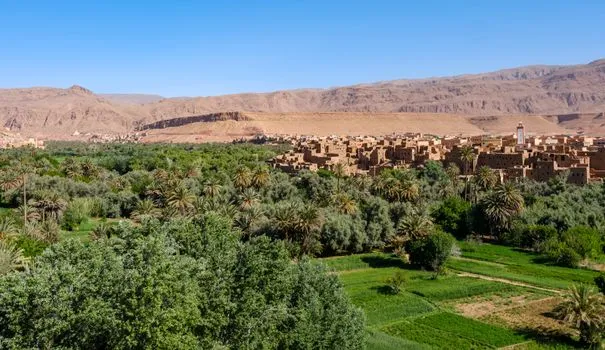
Morocco, under the leadership of King Mohammed VI, has developed a comprehensive water strategy that has gained international recognition. The country has invested heavily in desalination plants, dam construction, and water governance reforms to address chronic water scarcity exacerbated by climate change.
As of 2026, Morocco operates several large-scale desalination plants, including the one in Agadir (producing 400,000 cubic meters per day) and the ongoing project in Casablanca (planned capacity of 300,000 cubic meters per day). The national dam capacity has reached over 17 billion cubic meters, with new dams under construction to increase storage.
The National Water Plan 2020-2050, approved in 2020, outlines investments of over $40 billion to secure water supply through desalination, wastewater reuse, and irrigation efficiency. The plan aims to reduce water stress from 80% to 50% by 2050.
International bodies like the World Bank and the African Development Bank have praised Morocco's integrated approach, which combines infrastructure with demand management and institutional reforms. The country has also launched a national water saving program in agriculture, which consumes 85% of water resources.