As of April 2026, Morocco maintains a consistent position supporting Mali's territorial integrity and security efforts, while Algeria's stance remains ambiguous, according to recent diplomatic analyses. Morocco has advocated for a unified Mali and backed international counterterrorism initiatives, contrasting with Algeria's perceived dual approach of engaging with both the Malian government and separatist groups.
Security experts note that Morocco's policy aligns with its broader African strategy, emphasizing stability and economic cooperation. In contrast, Algeria's involvement in Mali has been marked by tensions, including disputes over border security and support for Tuareg-led autonomy movements. This divergence complicates regional efforts to combat jihadist groups active in the Sahel.
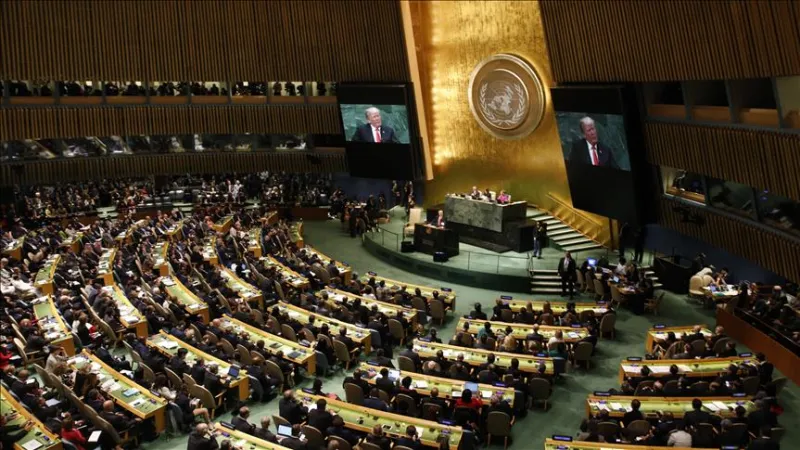
Recent reports from the United Nations indicate that Mali faces ongoing threats from extremist factions, with Morocco providing humanitarian aid and military training assistance. Algeria, meanwhile, has been criticized for inconsistent messaging, sometimes backing dialogue with armed groups while also conducting cross-border operations against militants.
The situation underscores the broader geopolitical rivalry between Morocco and Algeria, which extends to the Western Sahara dispute. Analysts suggest that a unified international approach is needed to address Mali's security challenges, but conflicting interests among regional powers hinder progress.