Morocco's Religious Model: A Bulwark Against Radicalization
Morocco's religious model, combining Maliki Islam and Sufism, is recognized as effective in countering extremism.
June 16, 2026
1 min read
21 views
Source: lejdd.fr
Morocco's religious model, which combines the Maliki school of Islam with Sufism, has been highlighted as an effective approach to countering radicalization. The model emphasizes moderation and tolerance, and is supported by state institutions like the Mohammed VI Institute for the Training of Imams, which educates religious leaders from Morocco and other African countries.
According to reports, the institute has trained over 1,000 imams since its opening in 2015, promoting a peaceful interpretation of Islam. This initiative is part of Morocco's broader strategy to prevent extremism, which also includes monitoring religious discourse and reforming the education system.
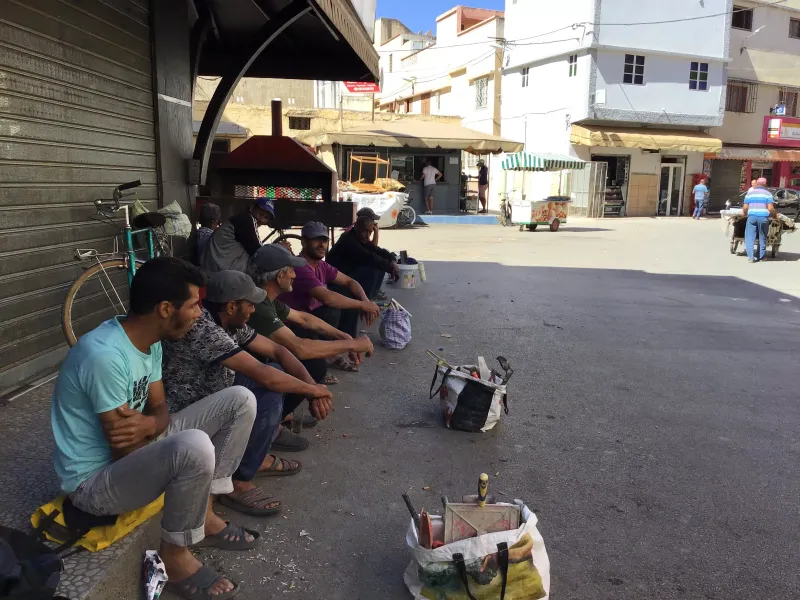
Experts note that Morocco's approach has contributed to the country's relative stability in a region affected by terrorism. However, challenges remain, including addressing socioeconomic factors that can fuel radicalization.
❓ Frequently Asked Questions
What is the Mohammed VI Institute for the Training of Imams?
It is a Moroccan state institution that trains imams in moderate Islam, founded in 2015, and has trained over 1,000 imams from Morocco and other African countries.
How does Morocco's religious model counter radicalization?
By promoting the Maliki school of Islam and Sufism, which emphasize moderation and tolerance, and through state-led initiatives like imam training and educational reform.
What challenges does Morocco face in preventing extremism?
Socioeconomic factors such as poverty and unemployment can still fuel radicalization, despite the country's religious model and security measures.