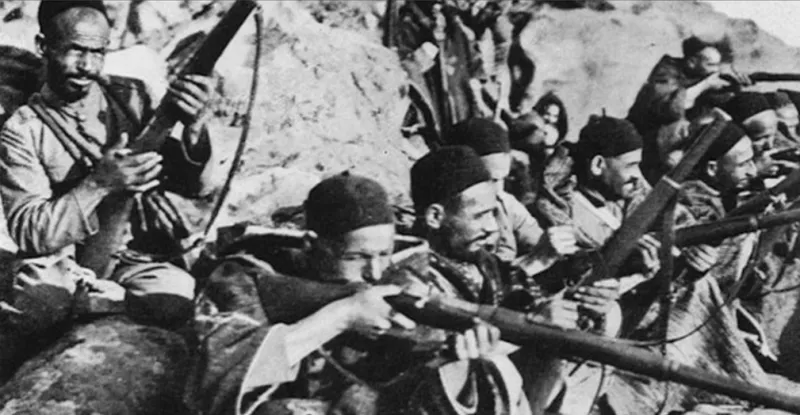
The uprisings in Oujda and Tafoughalt in August 1953 were significant acts of resistance against French colonial rule in Morocco. They occurred shortly after the French authorities exiled Sultan Mohammed V, a key nationalist symbol, to Corsica on August 20, 1953. This exile sparked widespread protests across the country, with Oujda and the nearby village of Tafoughalt becoming notable flashpoints.
In Oujda, a city near the Algerian border, demonstrators took to the streets to express their opposition to the French administration and their support for the deposed sultan. The protests were met with force, leading to casualties and arrests. Similarly, in Tafoughalt, a small village in the Beni Snassen mountains, local resistance fighters engaged in clashes with French forces, reflecting the deep-rooted opposition to colonial rule in rural areas.
These events are remembered in Morocco as part of the broader struggle for independence, which was achieved in 1956. The uprisings demonstrated the widespread popular support for the nationalist cause and the willingness of ordinary Moroccans to risk their lives for freedom and national unity. Today, they are commemorated as symbols of resistance and patriotism.
Historical accounts emphasize that the uprisings were not isolated incidents but part of a coordinated nationalist movement led by the Istiqlal Party and other groups. The French response, including mass arrests and military operations, aimed to suppress dissent but ultimately galvanized further resistance, contributing to the eventual end of the protectorate.