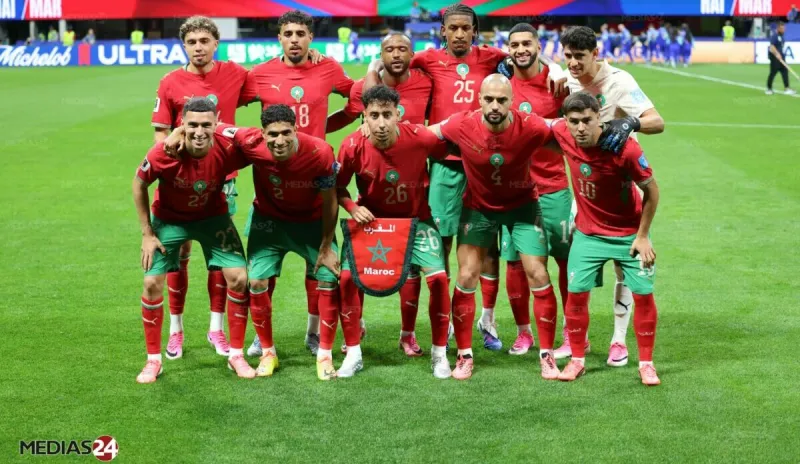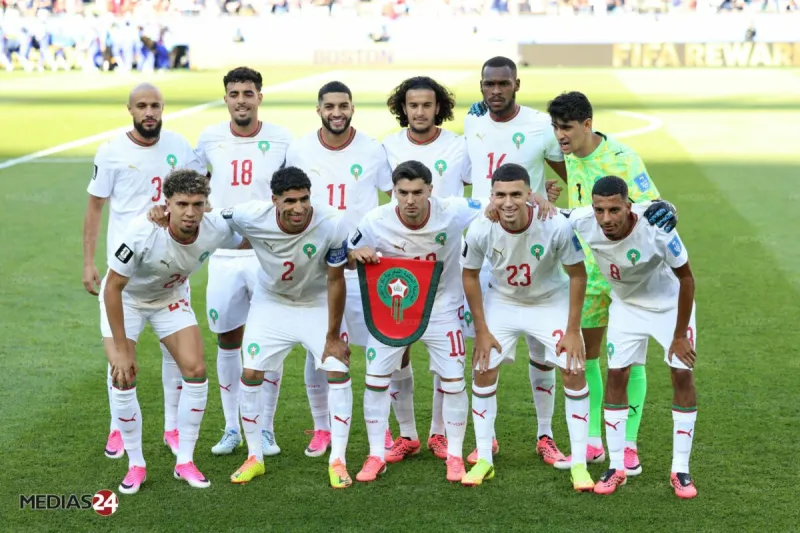
As of June 28, 2026, Morocco's national football team, the Atlas Lions, are intensifying preparations for the 2026 FIFA World Cup, which will be co-hosted by the United States, Canada, and Mexico. The team, which made history by reaching the semi-finals in 2022, is now focused on building a competitive squad for the expanded 48-team tournament.
Key players such as Achraf Hakimi and Sofyan Amrabat remain central to the team's strategy, while younger talents like Bilal El Khannouss and Eliesse Ben Seghir are being integrated to add depth. Coach Walid Regragui has emphasized tactical flexibility, aiming to balance defensive solidity with attacking creativity.
Morocco's group stage opponents for the 2026 World Cup have not yet been determined, as the draw is scheduled for later in 2026. However, the team is expected to face strong competition from European and South American sides. The Atlas Lions have been participating in friendly matches and African Cup of Nations qualifiers to fine-tune their approach.
The Moroccan Football Federation has also invested in youth development programs and infrastructure to support the national team's long-term success. Fans remain optimistic about the team's chances, given their recent performances on the global stage.