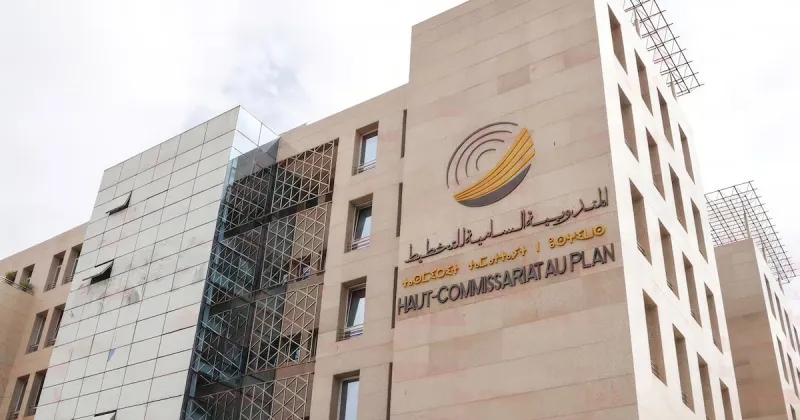
Morocco is experiencing a significant demographic transition as its population ages, a trend that sociologist Mehdi Alioua, dean of Sciences-Po Rabat at the International University of Rabat, describes as a major societal shift for which the country is unprepared. According to the High Commission for Planning (HCP), the proportion of Moroccans aged 60 and over reached 12.4% in 2024, up from 9.4% in 2014, and is projected to exceed 20% by 2050.
The lack of adequate infrastructure and social support systems is a critical concern. A 2023 report by the Economic, Social and Environmental Council (CESE) highlighted that only 2% of elderly Moroccans have access to specialized care facilities, and the informal care system, traditionally provided by families, is weakening due to urbanization and changing family structures.
Alioua emphasizes that the economic burden falls disproportionately on women, who often serve as unpaid caregivers. The World Bank estimates that unpaid care work in Morocco represents about 7% of GDP, with a large share related to elder care. The government has launched a national strategy for the elderly, but implementation remains slow, with limited funding and coordination.
International comparisons show Morocco lagging behind other middle-income countries. For instance, Tunisia has allocated 1.5% of its GDP to elder care, while Morocco spends less than 0.5%. Experts call for urgent reforms, including expanding pension coverage, which currently reaches only 30% of the workforce, and investing in community-based care models.