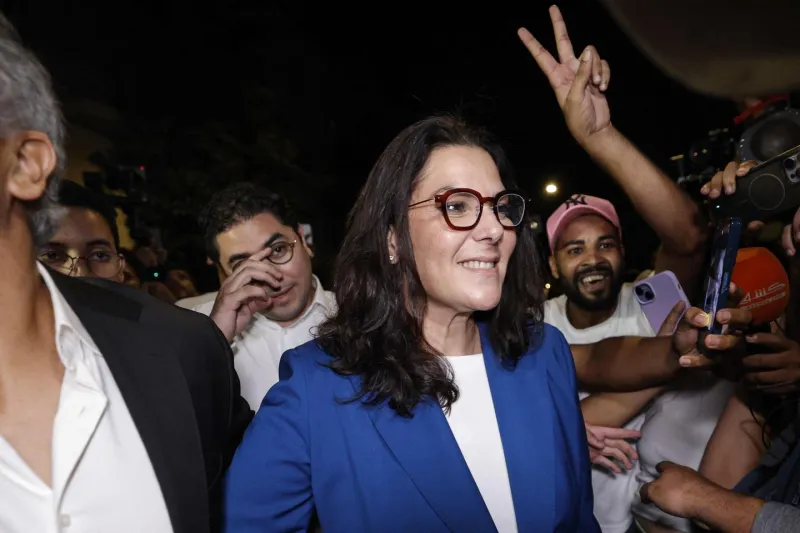
Morocco held legislative elections on 8 September 2021, with voters across the kingdom, including the disputed Western Sahara, casting ballots for the House of Representatives. The elections were marked by a notably high turnout in the southern provinces, which Moroccan authorities and media framed as a demonstration of democratic engagement and national unity.
According to official figures from Morocco's Interior Ministry, turnout in the three southern regions—Laayoune-Sakia El Hamra, Dakhla-Oued Ed-Dahab, and Guelmim-Oued Noun—exceeded the national average of 50.35%. In some areas, participation reportedly reached over 60%, reflecting strong civic involvement. The National Rally of Independents (RNI) emerged as the largest party nationally, securing 102 seats, followed by the Authenticity and Modernity Party (PAM) with 87 seats and the Istiqlal Party with 81 seats.
International observers, including a delegation from the African Union, noted the peaceful conduct of the elections, though some independent monitors raised questions about the fairness of the process in certain regions. The Polisario Front, which seeks independence for Western Sahara, dismissed the elections as illegitimate, a position rejected by Morocco, which considers the territory its southern provinces.
The 2021 elections were the first to be held under a new electoral law that introduced a proportional representation system, aiming to increase political pluralism. The vote also saw a significant decline in support for the Justice and Development Party (PJD), which dropped from 125 seats to 13, signaling a major shift in Morocco's political landscape.
Overall, the elections highlighted the ongoing debate over the status of Western Sahara, while underscoring Morocco's emphasis on democratic processes and territorial integrity. The high turnout in the south was presented by Moroccan officials as a clear expression of the population's desire for unity and participation in national political life.