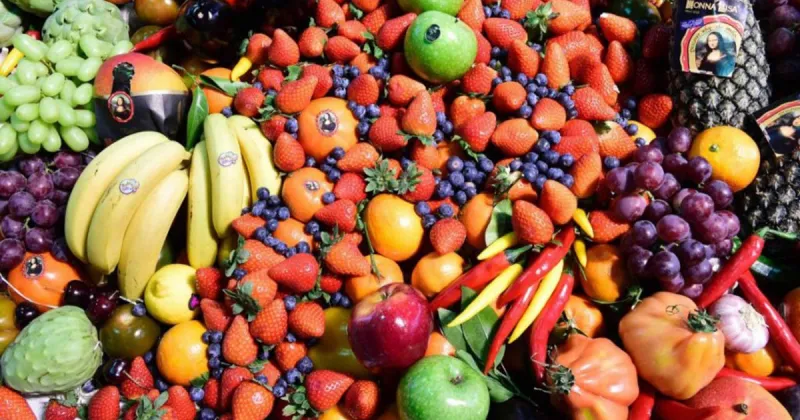
In the first four months of 2026, Spanish imports of fresh fruits and vegetables surged by 6% in volume and 4% in value compared to the same period in 2025, according to data from the Spanish Customs and Excise Department. This growth was driven by a significant increase in supplies from non-EU countries.
Morocco emerged as the leading supplier by value, accounting for 28% of total Spanish imports in this category. The North African country exported 1.2 million tonnes of fresh produce to Spain during the period, worth €1.8 billion. This represents a 12% increase in volume and a 9% rise in value year-on-year.
Other major non-EU suppliers included Turkey, with a 15% share, and Egypt, with 10%. Among EU member states, France and the Netherlands remained key partners, but their combined share fell slightly to 35% as Moroccan produce gained market share.
The rise in Moroccan imports is attributed to competitive pricing, improved logistics, and a growing preference for early-season produce from North Africa. Spanish consumers have benefited from a wider variety of fruits and vegetables, including tomatoes, peppers, and citrus fruits, available earlier in the year.
Industry analysts note that this trend reflects broader shifts in European supply chains, with non-EU countries increasingly meeting demand for fresh produce outside traditional EU growing seasons. The data underscores Morocco's strategic role as a key agricultural partner for Spain.