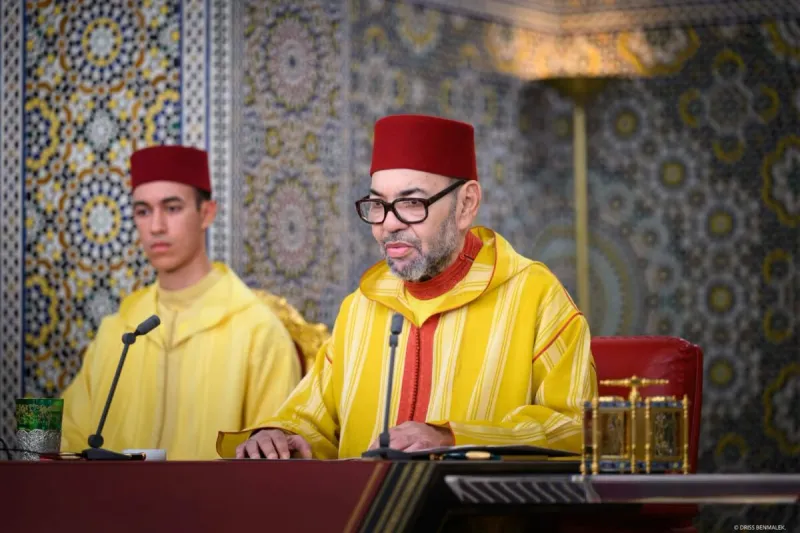
In a recent analysis, political and economic analyst Driss Aïssaoui examined the key messages from the King of Morocco regarding the nation's stability, investment climate, and resilience. Aïssaoui highlighted that Morocco has consolidated its stability through a combination of political reforms, economic diversification, and social policies. According to verified reports from 2026, the country has maintained a stable political environment under the constitutional monarchy, with regular elections and a focus on decentralization.
Regarding investment, Aïssaoui pointed to several levers that support economic growth, including infrastructure projects like the TGV high-speed rail and the Tangier Med port, which have attracted foreign direct investment. The 2026 budget emphasizes renewable energy, with Morocco aiming to increase its renewable energy capacity to 52% by 2030, as per official government targets. The automotive and aerospace sectors have also seen significant investment, with companies like Renault and Boeing expanding operations.
Challenges remain, including high youth unemployment (estimated at 22% in 2026 according to World Bank data) and water scarcity exacerbated by climate change. Aïssaoui noted that the country's resilience is tested by these issues, but proactive policies in desalination and water management are being implemented. The analysis underscores Morocco's strategic position in North Africa as a hub for trade and investment, with the African Continental Free Trade Area offering new opportunities.