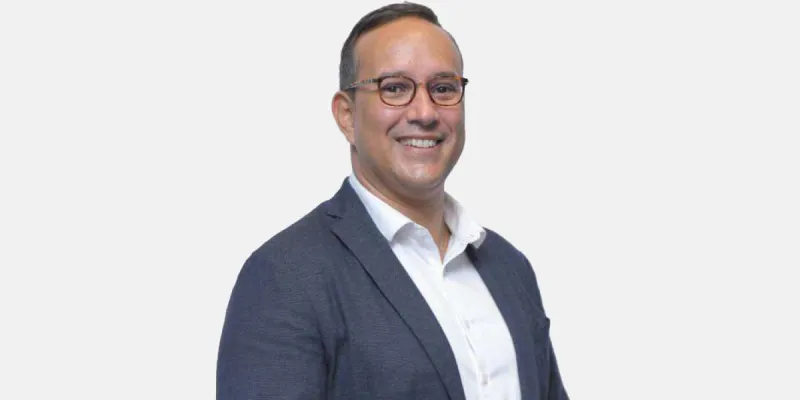
Morocco is not adequately preparing for the aging of its population, according to sociologist Mehdi Alioua, dean of Sciences Po Rabat at the International University of Rabat. In a recent analysis, Alioua highlights that the extended family model has given way to the couple, the individual has taken precedence over the clan, and care for the elderly is still struggling to become a priority in public policies.
Alioua's remarks come as Morocco faces a demographic transition. According to the latest data from the High Commission for Planning (HCP), the proportion of people aged 60 and over in Morocco increased from 9.4% in 2014 to 11.7% in 2024. The HCP projects that this figure will reach 16.2% by 2030 and 26.5% by 2050. Despite these trends, Alioua argues that the country lacks a comprehensive national strategy for elderly care.
The sociologist points to the erosion of traditional family support systems. 'The extended family, which used to be the primary safety net for the elderly, is disappearing,' Alioua said. 'We are seeing more nuclear families and individuals living alone, but public policies have not adapted to this new reality.' He calls for the development of specialized infrastructure, training for caregivers, and social protection mechanisms for the elderly.
Alioua's analysis is part of a broader debate in Morocco about social welfare reform. In 2025, the government launched a new social protection system, but it has not yet specifically addressed the needs of the aging population. Experts warn that without immediate action, the country could face a care crisis in the coming decades.