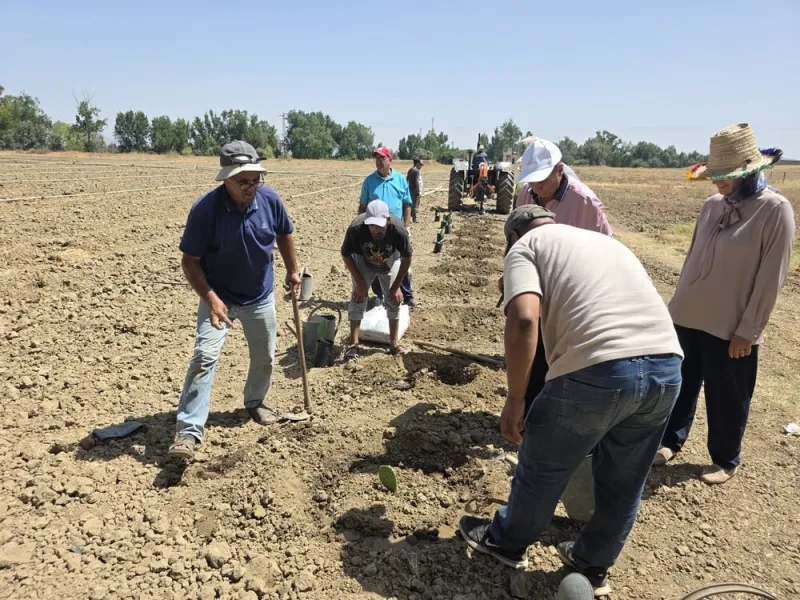
On July 13, 2026, authorities in Morocco's Loukkos region inaugurated a new platform aimed at revitalizing the cactus pear sector, which has been severely impacted by the cochineal insect (Dactylopius opuntiae). The platform will focus on distributing resistant cactus varieties and providing technical support to farmers.
The initiative, supported by the Ministry of Agriculture and local cooperatives, seeks to restore production in an area where cactus cultivation is vital for both fruit and livestock feed. The cochineal pest, first detected in Morocco around 2014, has destroyed thousands of hectares of cactus, particularly in the central and eastern regions.
The platform will serve as a hub for research, multiplication of resistant Opuntia species, and training for farmers. Early trials have shown that certain varieties, such as Opuntia ficus-indica and some hybrids, exhibit strong resistance to the pest.
Local officials estimate that the project could help recover up to 70% of lost cactus areas within five years, boosting rural incomes and preventing soil erosion. The platform is part of Morocco's broader Green Generation 2020-2030 strategy for agricultural resilience.