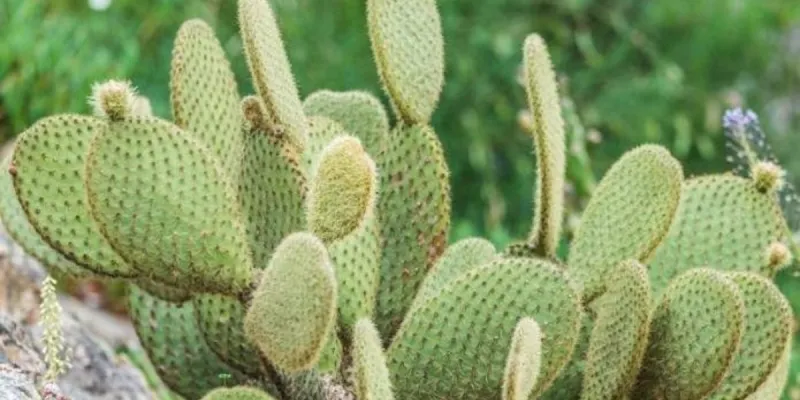
Morocco is intensifying efforts to protect its cactus industry from the invasive cochineal insect (Dactylopius opuntiae), which has devastated plantations in recent years. The pest threatens a crop that supports thousands of rural families, particularly in regions like Sidi Bennour and Rehamna.
In response, the Moroccan government and agricultural agencies have promoted integrated pest management strategies, including the use of biological controls such as the predatory ladybug (Cryptolaemus montrouzieri) and the introduction of resistant cactus varieties. These sustainable solutions aim to reduce reliance on chemical pesticides and preserve the ecosystem.
Recent workshops and field demonstrations have trained farmers in early detection and mechanical removal techniques. The National Institute for Agricultural Research (INRA) has also developed resistant clones, which are being distributed to affected areas.
While the fight is ongoing, the adoption of these measures has shown promising results in containing the spread and restoring production. The cactus sector remains vital for Morocco's agricultural exports, particularly for its fruit and oil, and for combating desertification.