Morocco Emerges as Key Global Fertilizer Supplier Amid Middle East Tensions

Morocco's OCP Group is capitalizing on market shifts as Middle East conflicts disrupt fertilizer supply chains, securing its global position.

Morocco Emerges as Key Global Fertilizer Supplier Amid Middle East Tensions

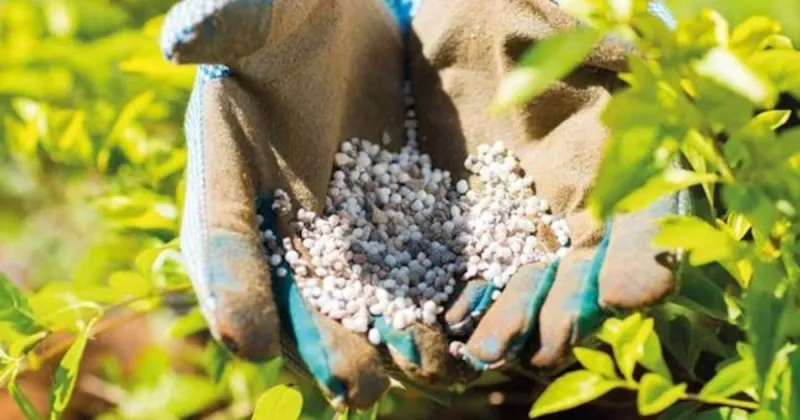
Image: fr.le360.ma

Geopolitical tensions in the Middle East, including the ongoing conflict between Israel and Hamas and instability in the Red Sea, have significantly disrupted global fertilizer supply chains. These disruptions have created volatility in the market, affecting the availability and pricing of key nutrients like potash and phosphate.

Morocco, through its state-owned OCP Group, is leveraging its position as the world's largest holder of phosphate rock reserves to increase its market share. The company has announced plans to expand production capacity and has secured several long-term supply agreements with countries in Africa, Europe, and Latin America, aiming to ensure stable fertilizer deliveries.

Analysts note that while OCP benefits from its geographic distance from the primary conflict zones, the broader market remains under pressure. High natural gas prices, a key input for nitrogen-based fertilizers, and logistical challenges continue to pose risks to global food security by driving up agricultural input costs.

❓ Frequently Asked Questions

Why is Morocco important for global fertilizer supply?

Morocco holds approximately 70% of the world's phosphate rock reserves, a critical raw material for phosphate-based fertilizers, through its state-owned OCP Group.

How have Middle East conflicts affected fertilizer markets?

Conflicts have disrupted shipping routes, increased insurance costs, and created uncertainty, leading to price volatility and supply chain bottlenecks for key fertilizer components.

What is OCP Group's strategy amid this volatility?

OCP is expanding production capacity and signing long-term supply deals to position itself as a reliable alternative supplier, particularly to markets seeking to diversify away from conflict-affected regions.

📰 Source:
fr.le360.ma →
Share: