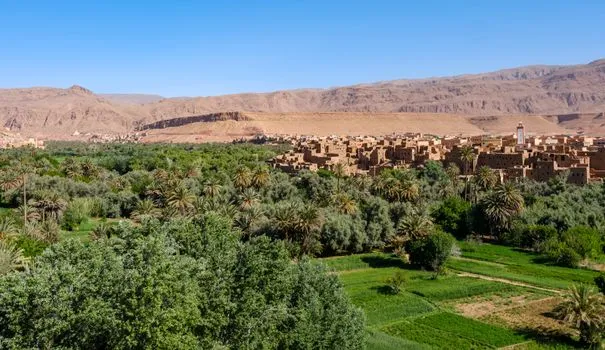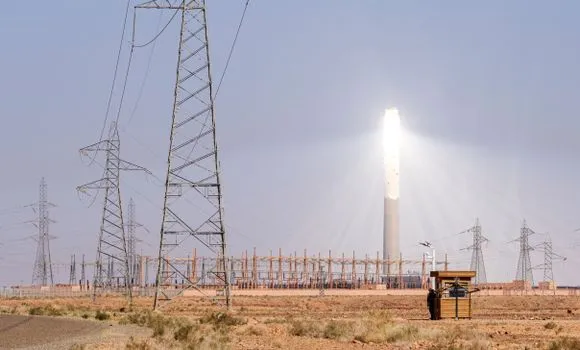
Morocco has emerged as a potential key supplier of renewable electricity to Europe, leveraging its vast solar and wind resources. The country aims to generate 52% of its electricity from renewables by 2030, up from around 20% in 2024, according to the International Renewable Energy Agency (IRENA). Projects like the Noor Ouarzazate solar complex, one of the world's largest concentrated solar power plants, underscore its capacity.
Plans for undersea power cables, such as the Xlinks Morocco-UK project, aim to transmit 3.6 GW of renewable energy to Britain by 2030, pending regulatory approvals. Similar interconnections with Spain and Portugal are under discussion, leveraging existing grid links. These initiatives could help Europe meet its climate goals while providing Morocco with economic benefits.
However, challenges remain, including high infrastructure costs, geopolitical stability, and the need for energy storage to manage intermittency. Experts emphasize that success depends on continued investment and international cooperation. As of July 2026, no major export contracts have been finalized, but feasibility studies are advancing.