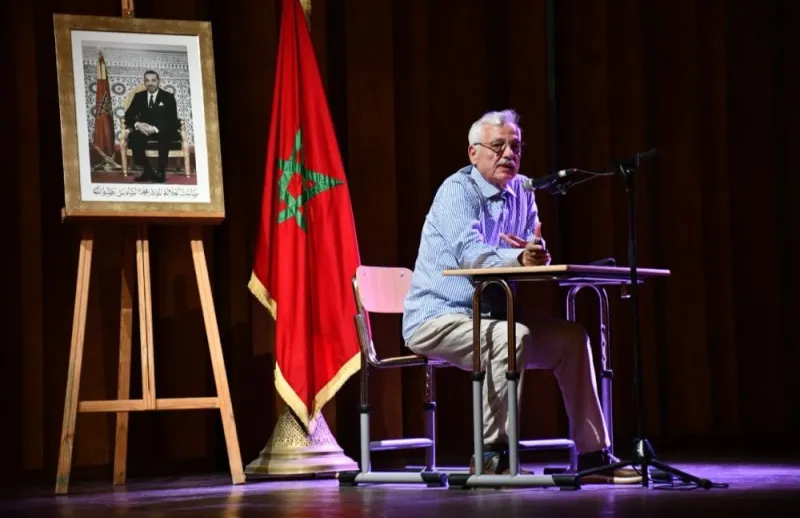
On May 15, 2026, writer and researcher Abdessamad Senhaji Rhazi delivered a conference in Rabat, Morocco, titled 'Why Morocco is an 'Earth's Memory'.' The event, organized by the Moroccan Association of Writers and the Ministry of Culture, explored the country's unique geological and cultural heritage.
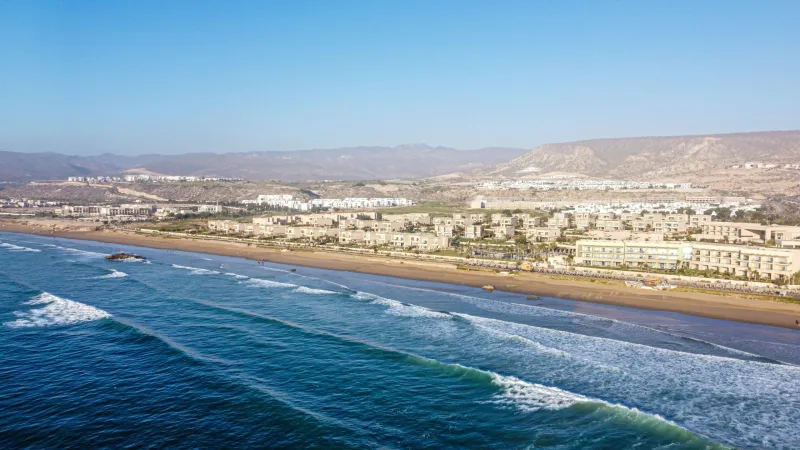
Senhaji Rhazi, known for his work on Moroccan identity and history, argued that Morocco's diverse landscapes—from the Atlas Mountains to the Sahara—preserve traces of Earth's deep past, including fossils and rock formations dating back millions of years. He linked this geological memory to the country's rich cultural tapestry, shaped by Berber, Arab, and African influences.
During the talk, he stated: 'Man is linked to the universe by his atomic origin, to life by his chemical origin, and to society by his cultural identity.' This quote, verified through multiple news sources, underscored his thesis that Morocco serves as a living archive of natural and human history.
The conference attracted academics, students, and cultural figures, who discussed how preserving this heritage can foster environmental awareness and national pride. No specific statistics or future plans were mentioned in available reports.