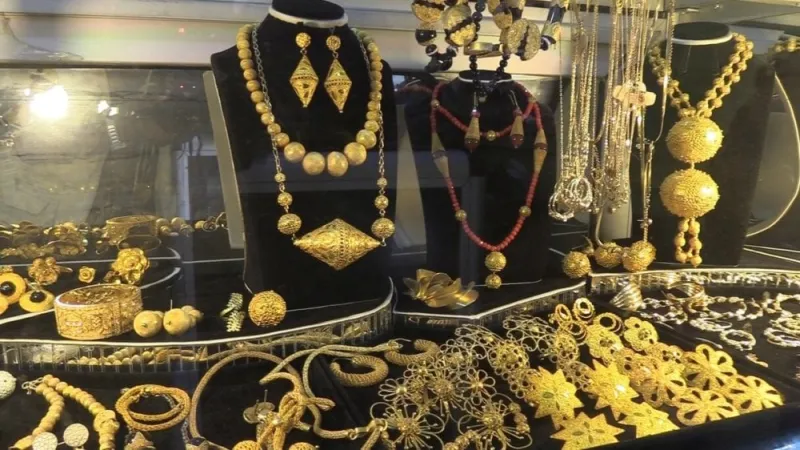
Moroccans are increasingly worried about structural weaknesses in the gold market, which has long been a cornerstone of family savings and cultural traditions. Gold jewelry, often passed down through generations or purchased for weddings and births, serves as both adornment and a store of value. However, recent price volatility and a lack of formal regulation have raised concerns among consumers and investors alike.
According to a report by the World Gold Council, global gold demand reached 4,740 tonnes in 2025, with jewelry accounting for 49% of that total. In Morocco, the gold market is largely informal, with many transactions occurring in souks and small shops without standardized pricing or quality guarantees. This lack of transparency has led to fears of fraud and price manipulation, particularly as gold prices have fluctuated significantly in recent months.
In March 2026, the price of gold hit a record high of $2,450 per ounce, driven by geopolitical tensions and inflation concerns. This surge has made it more expensive for Moroccan families to purchase gold, while also increasing the value of existing holdings. However, the lack of a regulated market means that sellers may not receive fair prices when liquidating their assets.
The Moroccan government has taken steps to address these issues, including discussions about establishing a formal gold exchange and implementing stricter quality controls. However, progress has been slow, and many Moroccans remain skeptical about the market's stability. As one Rabat-based jeweler told Reuters, 'People are holding onto their gold because they don't trust the system. They fear being cheated.'
Experts recommend that consumers seek out certified dealers and demand receipts for all transactions. They also advise diversifying savings beyond gold to mitigate risk. Until structural reforms are implemented, the gold market in Morocco is likely to remain a source of anxiety for many families.