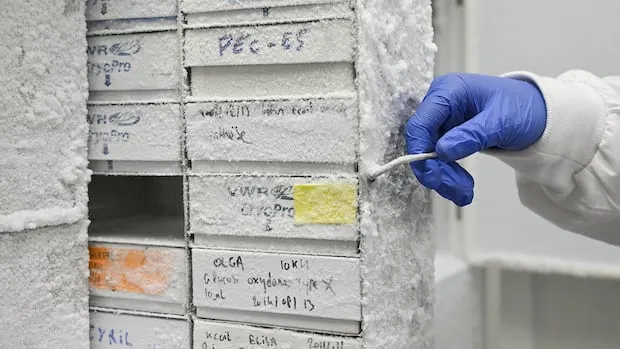
In a biomedicine laboratory at Polytechnique Montréal, researchers are working on technologies to accelerate Canada's response to future pandemics. The lab focuses on developing rapid-response vaccines and biomanufacturing processes, aiming to reduce the time needed to produce vaccines from months to weeks.
According to recent reports, the facility is part of a broader national effort to strengthen pandemic preparedness. The lab's work includes using animal protein in bioreactors to grow viral antigens, which are then used to create vaccines. This approach is designed to be scalable and adaptable to new pathogens.
The lab is led by researchers who have collaborated with public health agencies and industry partners. While specific details of ongoing projects are not fully public, the initiative aligns with Canada's pandemic preparedness strategy, which emphasizes domestic vaccine production capacity.
Experts note that such labs are crucial for responding to emerging infectious diseases, as they allow for rapid development and testing of vaccines without relying on foreign supply chains. The Montreal lab represents a significant investment in Canada's biomanufacturing infrastructure.