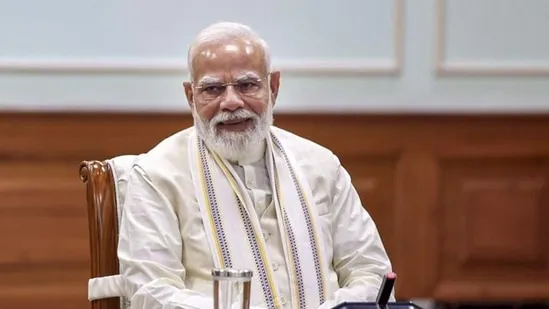
Prime Minister Narendra Modi on Wednesday, June 10, 2026, became India's longest continuously serving elected prime minister, completing 12 years in office. He surpassed the previous record held by Jawaharlal Nehru, who served 16 years and 286 days but not continuously as elected premier due to a brief interim period.
Modi was first sworn in as Prime Minister on May 26, 2014, after the Bharatiya Janata Party (BJP) won a majority in the general elections. He was re-elected in 2019 and again in 2024, leading the National Democratic Alliance (NDA) coalition. The NDA planned a special event to honor him on this milestone.
During his tenure, Modi's government implemented major policies including the Goods and Services Tax (GST) in 2017, the abrogation of Article 370 in Jammu and Kashmir in 2019, and the construction of the Ram Temple in Ayodhya. His leadership also saw India's response to the COVID-19 pandemic and the launch of the 'Make in India' and 'Digital India' initiatives.
Modi's 12-year mark is a significant milestone in Indian politics, reflecting his enduring popularity and the BJP's dominance. However, his tenure has also faced criticism over issues like economic slowdown, farmer protests, and concerns about democratic backsliding.