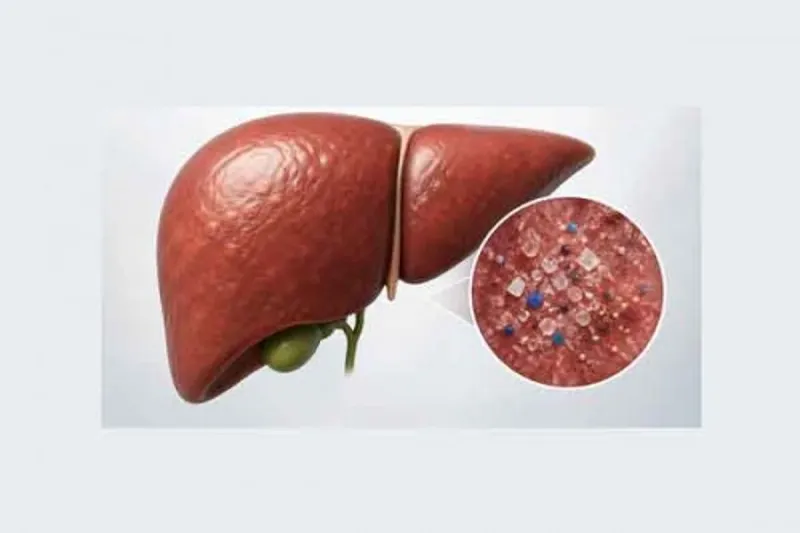
New Delhi: Researchers have presented clear evidence that exposure to micro- and nanoplastics can trigger oxidative stress, fibrogenesis, and inflammation in animals—features that resemble those of advanced liver disease in humans, according to a statement released on Thursday.
The findings, reported by scientists from multiple institutions, highlight the potential health risks of plastic pollution. The study, published in a peer-reviewed journal, examined the effects of plastic particles on animal models and found significant biological changes linked to liver damage.
While the research is based on animal studies, the authors caution that similar mechanisms could occur in humans, given the widespread presence of microplastics in the environment, including in food, water, and air. Further studies are needed to confirm the direct impact on human health.