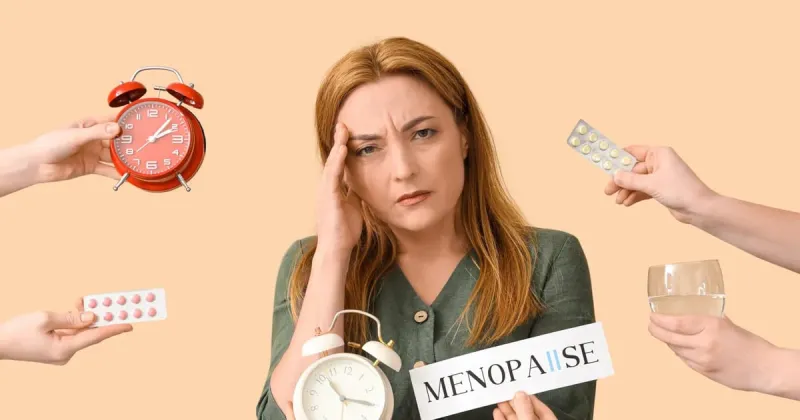
Menopause, a universal biological transition, continues to be shrouded in stigma and silence in many cultures worldwide, including in Morocco and broader North Africa. This taboo prevents open discussion, leading to widespread misinformation and a significant barrier to healthcare for women experiencing symptoms that can severely impact quality of life. Medical experts consistently highlight that a lack of awareness and cultural discomfort surrounding menopause results in many women suffering in silence without seeking appropriate medical or social support.
The World Health Organization (WHO) recognizes menopause as a natural part of aging but emphasizes that the associated symptoms—such as hot flashes, sleep disturbances, and psychological effects—require respectful, informed healthcare. Despite this, societal attitudes often frame menopause as a private or shameful topic, discouraging public discourse. This silence is compounded by a general lack of tailored education for healthcare providers on managing menopausal health, creating a gap in effective patient care.
Recent advocacy efforts, led by global health bodies and women's rights organizations, are pushing to break this silence. They argue that normalizing conversation around menopause is a public health imperative, crucial for ensuring women can access accurate information, hormone therapy if needed, and psychosocial support. The movement aims to reframe menopause not as an end but as a new life stage, demanding policy changes to integrate menopausal health into national healthcare strategies and workplace accommodations.
While progress is slow, the increasing visibility of the issue in media and international health forums marks a shift. The core challenge remains transforming deep-seated cultural norms to prioritize women's health and well-being during this transition, ensuring no woman has to navigate it alone or in shame due to outdated taboos.