Mauritania's Diplomacy: History and Vulnerability

Mauritania's foreign policy is shaped by its historical ties and economic vulnerabilities, balancing regional powers.

Mauritania's Diplomacy: History and Vulnerability

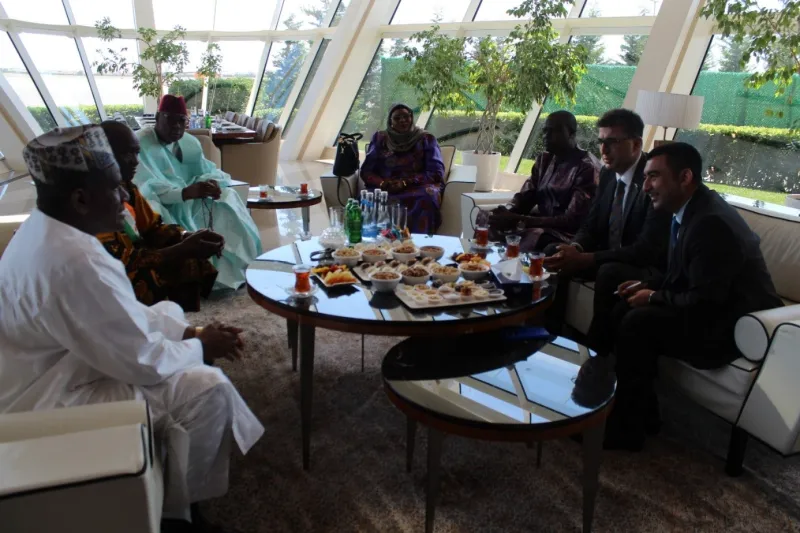
Image: cridem.org

Mauritania's diplomatic strategy is deeply influenced by its historical context and economic vulnerabilities, as analyzed in a recent series. The country, located in Northwest Africa, has navigated complex relationships with neighbors like Algeria, Morocco, and Mali, while also engaging with international partners such as France and the United States.

Historically, Mauritania's foreign policy has been shaped by its role in the Arab Maghreb Union and its ties to the Sahel region. The country faces challenges from terrorism and instability in the Sahel, which have prompted security cooperation with Western nations. Economic vulnerabilities, including reliance on mining and fishing, also drive diplomatic priorities.

As of May 2026, Mauritania continues to balance its alliances, seeking to maintain stability while addressing internal development needs. The government has emphasized dialogue and regional integration to mitigate risks from external pressures.
❓ Frequently Asked Questions

What factors shape Mauritania's foreign policy?

Mauritania's foreign policy is shaped by historical ties, economic vulnerabilities like mining and fishing, and security challenges from the Sahel region.

How does Mauritania balance relations with regional powers?

Mauritania balances relations with Algeria, Morocco, and Mali through dialogue and regional integration, while cooperating with Western nations on security.

What are the main economic vulnerabilities affecting Mauritania's diplomacy?

Mauritania's economy relies heavily on mining and fishing, making it vulnerable to global market fluctuations and environmental changes, which influence diplomatic priorities.

📰 Source:
cridem.org →
Share: