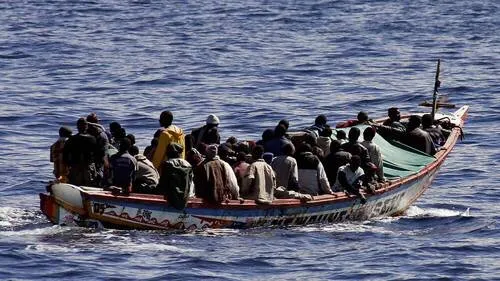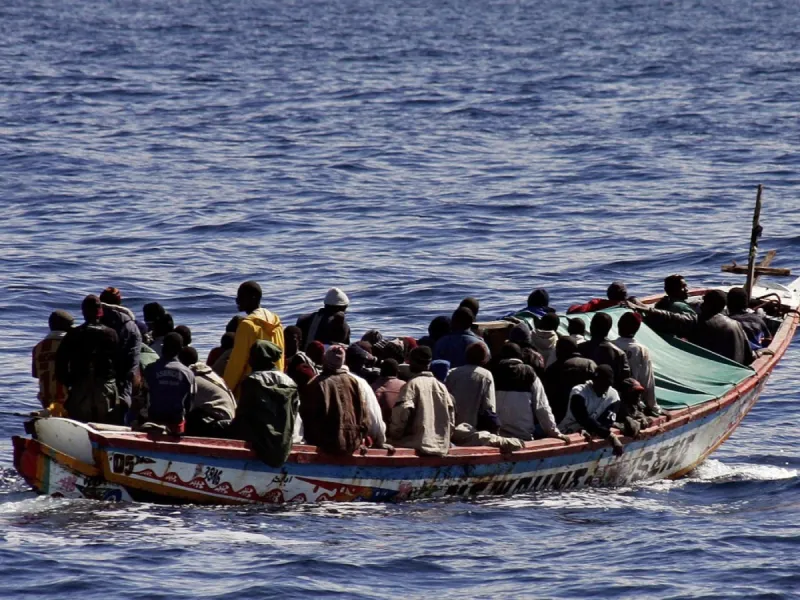
Mauritania's coast guard has rescued over 1,100 migrants attempting the dangerous Atlantic route to Europe in the past ten days, according to official statements reported by Keystone-ATS. The rescues occurred off the coast of Nouadhibou, a key departure point for West African migrants.
The migrants, primarily from Senegal, Gambia, and Mali, were found in overcrowded wooden pirogues. Many were dehydrated and exhausted after days at sea. The Mauritanian navy has intensified patrols in response to the surge in departures, which typically increase during calmer summer seas.
This year, the Atlantic migration route has seen a sharp rise in attempts, with the International Organization for Migration (IOM) reporting over 5,000 arrivals in the Canary Islands through May 2026, a 40% increase compared to the same period in 2025. The route is one of the deadliest, with hundreds of deaths recorded annually due to capsizing, dehydration, and shark attacks.
Local NGOs in Mauritania have called for more international support to manage the humanitarian situation, as rescued migrants often lack basic necessities. The Mauritanian government has reiterated its commitment to combating human trafficking while providing immediate aid to survivors.