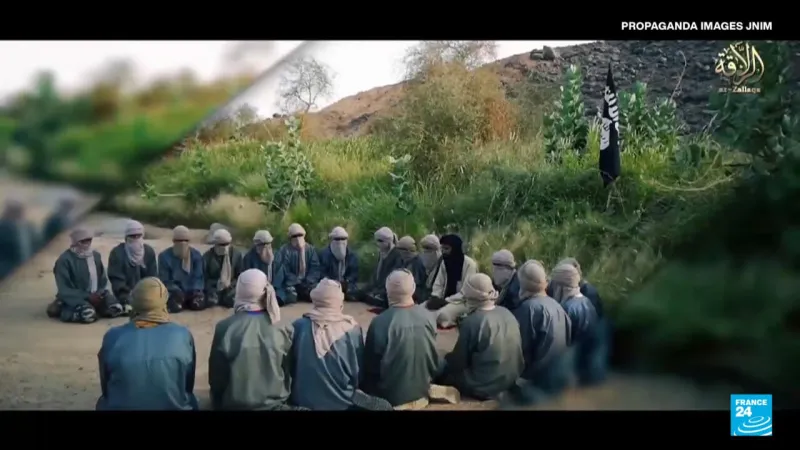
Mali continues to face significant security challenges despite a heavy reliance on military approaches, according to recent reports. The country has been grappling with a jihadist insurgency since 2012, which has claimed thousands of lives and displaced hundreds of thousands. The military junta that seized power in 2020 and 2021 has prioritized security, but violence persists.
In 2025, the UN peacekeeping mission MINUSMA completed its withdrawal from Mali, ending a 10-year presence. This departure has raised concerns about a security vacuum. The Malian army, supported by Russian mercenaries from the Wagner Group (now known as Africa Corps), has struggled to contain attacks by groups affiliated with Al-Qaeda and the Islamic State.
Human rights organizations have documented abuses by both state forces and non-state actors. The political situation remains fragile, with elections postponed indefinitely. The junta has expelled French forces and turned to Russia for military support, but this has not led to a reduction in violence.
Experts argue that a purely military strategy is insufficient to address the root causes of the conflict, including poverty, weak governance, and ethnic tensions. Without inclusive dialogue and development efforts, lasting peace remains elusive.