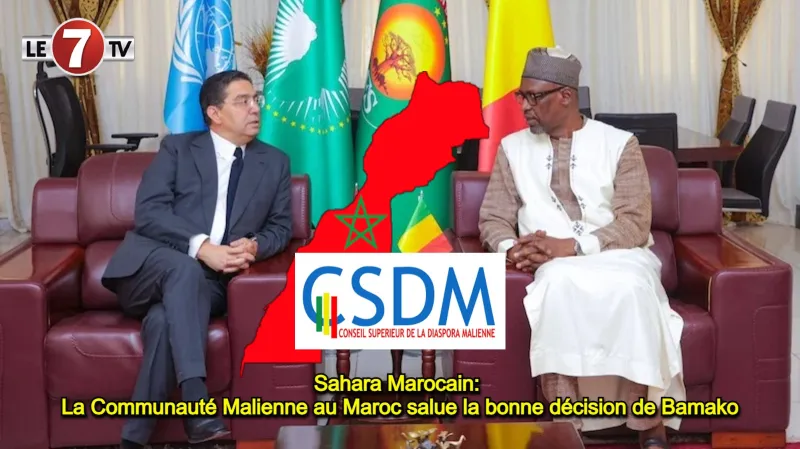
The Malian community residing in Morocco has publicly expressed its support for the Malian government's position regarding the Western Sahara dispute, backing Bamako's recognition of Morocco's sovereignty over the territory. This show of solidarity reflects the broader diplomatic realignment that has seen several African nations shift their stance on the long-standing territorial conflict.
Morocco has long maintained that the Western Sahara, a former Spanish colony, is an integral part of its territory, and has proposed an autonomy plan under Moroccan sovereignty as a political solution. Over recent years, a growing number of countries, particularly from Africa and the Arab world, have opened consulates in the Saharan cities of Laayoune and Dakhla, signaling their recognition of Moroccan administration over the region.
Mali's position is significant given the country's historical ties with the Polisario Front, which has long sought independence for Western Sahara with backing from Algeria. A shift in Bamako's stance would represent a notable diplomatic gain for Rabat in its efforts to consolidate international support for its autonomy proposal, which the United Nations has described as a serious and credible basis for negotiations.
The Malian diaspora in Morocco, which maintains strong cultural and economic ties with their host country, has welcomed what they describe as a pragmatic and forward-looking decision by their government. Morocco and Mali share historical, religious, and trade connections that date back centuries, and diplomatic relations between the two countries have generally remained cooperative despite regional tensions.