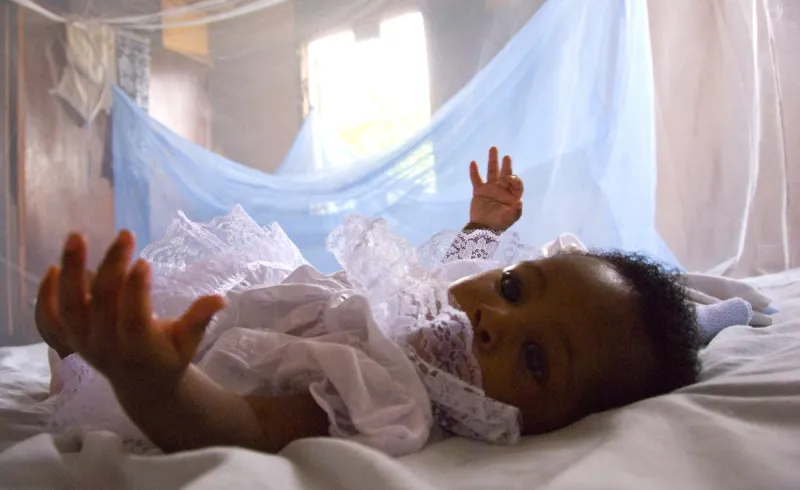
Malaria remains a major public health challenge in Africa, with the World Health Organization reporting 249 million cases globally in 2022, 94% of which were in the African region. The disease causes an estimated 608,000 deaths annually, with children under five accounting for 78% of all malaria deaths in Africa.
Economically, malaria costs African countries an estimated $12 billion per year in lost productivity, healthcare expenses, and reduced economic growth. Families often face difficult choices: staying home from work due to fever means losing wages, while seeking treatment can strain already limited budgets.
Prevention tools like insecticide-treated bed nets and artemisinin-based combination therapies have reduced malaria mortality by 44% since 2000, but progress has stalled in recent years due to funding gaps and insecticide resistance. The WHO's Global Technical Strategy aims to reduce malaria incidence and mortality by 90% by 2030.