Madagascar's national stadium, the Kianja Barea — officially known as Stade de Mahamasina — in Antananarivo has been at the center of discussions regarding a significant upgrade to its playing surface. Authorities and football stakeholders are weighing the merits of hybrid grass versus fully synthetic turf as potential solutions to longstanding pitch quality issues.
The Kianja Barea serves as the home ground for the Madagascar national football team, known as the Barea. The stadium has a capacity of approximately 22,000 spectators and has hosted numerous CAF Africa Cup of Nations qualifiers and other international fixtures. The quality of the natural grass pitch has been a recurring concern, particularly during Madagascar's dry season when maintaining consistent turf conditions proves difficult.
Hybrid turf systems, which combine natural grass with synthetic fibers woven into the soil, have become increasingly popular at top-level football venues worldwide. They offer greater durability and consistent playing conditions compared to pure natural grass, while retaining a more natural feel than fully synthetic surfaces. FIFA and CAF both have certification standards that any upgraded surface would need to meet for international competition.
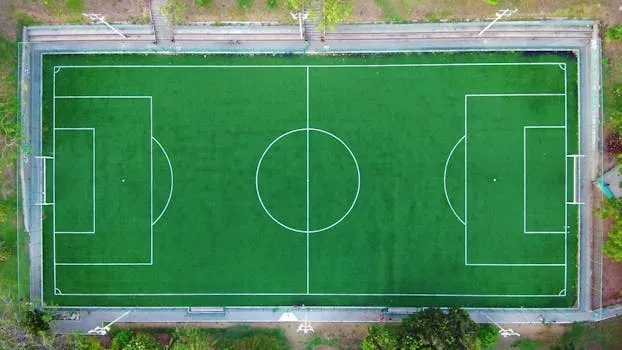
A switch to synthetic turf, while more cost-effective in the long term, has faced resistance from some football purists and governing bodies. FIFA has historically discouraged the use of artificial turf at the highest levels of the game, though it remains permitted under certain conditions for lower-tier competitions. The final decision on the Kianja Barea's surface will likely depend on available funding, CAF requirements, and the federation's long-term infrastructure plans.