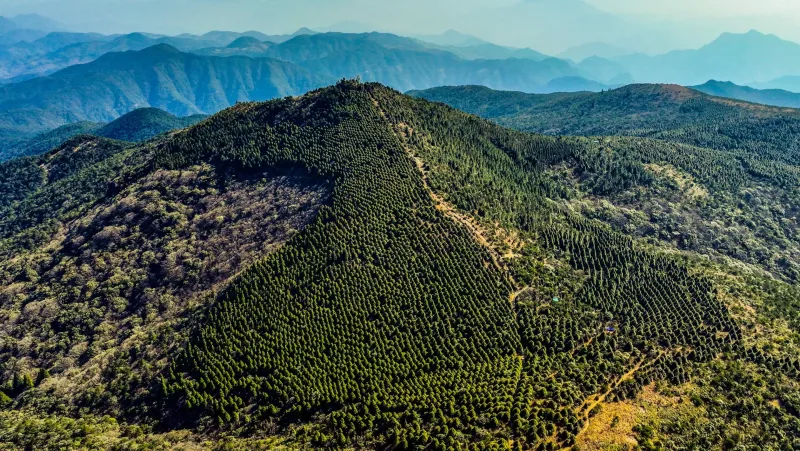
Researchers at the University of Alberta have developed a method that uses drone imagery and machine learning to predict the diversity of fungi in forest soils, according to a study published in the journal Forest Ecology and Management.
The team, led by researchers in the Faculty of Agricultural, Life & Environmental Sciences, collected soil samples from forest sites in Alberta and paired them with high-resolution images captured by drones. By analyzing the images with machine learning algorithms, they were able to estimate fungal diversity across the landscape without needing to sample every location.
Fungi play a critical role in forest health, aiding nutrient cycling and plant communication. Traditional methods of assessing fungal diversity are time-consuming and costly, limiting the scale of monitoring. This new approach could allow researchers to cover larger areas more efficiently, providing a valuable tool for forest management and conservation.
The study's findings highlight the potential of integrating remote sensing and artificial intelligence to monitor belowground biodiversity, which is often overlooked. The authors suggest that this technique could be adapted for other ecosystems and organisms.