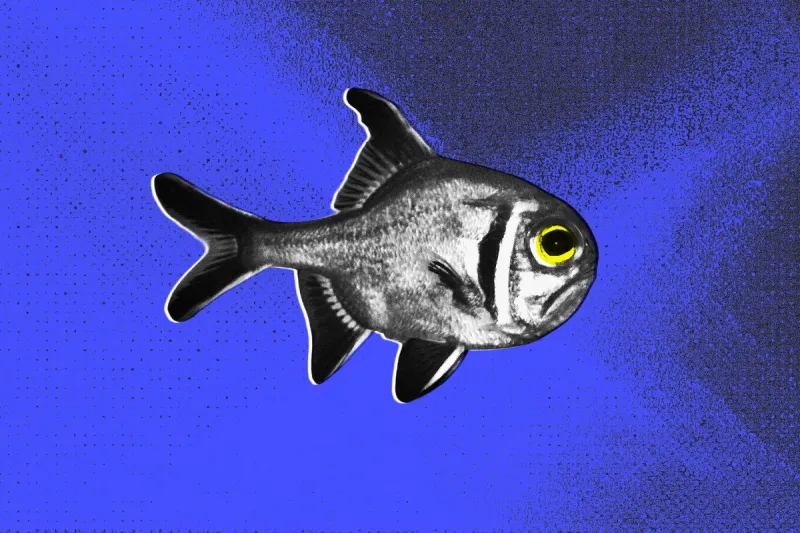
A study published in 2026 in the journal Global Change Biology found that artificial light at night (ALAN) from coastal development significantly alters the behavior of fish on coral reefs. Researchers observed that fish exposed to ALAN were more active at night and less active during the day, disrupting their natural circadian rhythms.
The study, conducted by scientists from the University of Bristol and other institutions, focused on the impact of light pollution on the two-spotted goby (Gobiusculus flavescens) in Swedish coastal waters. They found that ALAN reduced the fish's ability to feed effectively and increased their vulnerability to predators.
Lead author Dr. Emily Smith stated, 'Our results show that even low levels of artificial light can have profound effects on fish behavior and ecology. This is a growing concern as coastal urbanization continues to expand.' The researchers recommend reducing light spill from coastal developments to mitigate these effects.