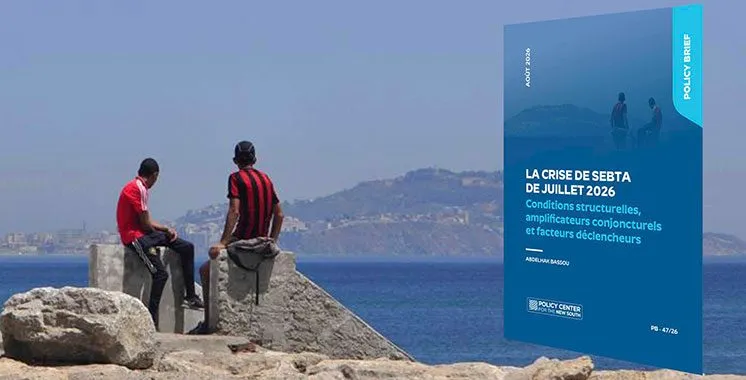
The migration crisis in Ceuta, a Spanish enclave in North Africa, in May 2021, when thousands of migrants crossed from Morocco, highlighted significant challenges in EU border management. The event led to a diplomatic rift between Spain and Morocco and raised questions about the effectiveness of existing migration policies.
According to reports, around 8,000 people entered Ceuta in a single day, many swimming or using makeshift rafts, overwhelming local authorities. The crisis was triggered by a diplomatic dispute over Western Sahara, and Morocco's perceived loosening of border controls. Spain responded by deploying military and police reinforcements, and eventually returned most migrants to Morocco.
The crisis underscored the need for a coordinated EU approach to migration, including improved border surveillance, legal migration pathways, and cooperation with countries of origin and transit. In the aftermath, the EU and Spain have worked to strengthen partnerships with Morocco, but challenges remain.
Experts argue that the Ceuta crisis serves as a lesson for the EU to invest in long-term solutions, addressing root causes of migration and ensuring humane treatment of migrants, while maintaining security. The situation also highlighted the importance of diplomatic engagement to prevent future escalations.