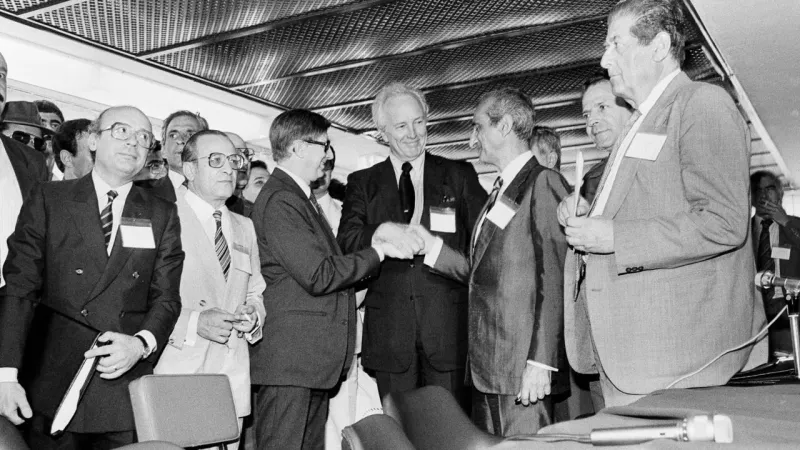
As Lebanon and Israel prepare for a new round of U.S.-mediated talks, historical precedent from the May 17, 1983 agreement is shaping the diplomatic landscape. The 1983 accord, brokered by the United States, stipulated a withdrawal of Israeli forces from Lebanon following the 1982 invasion but was never ratified by Lebanon and ultimately collapsed.
The current negotiations, which began with a meeting in Washington on April 14, 2026, primarily focus on delineating a disputed maritime border in the Mediterranean Sea, an issue separate from but informed by past territorial disputes. Lebanese President Joseph Aoun and Prime Minister Nawaf Salam face significant domestic pressure regarding the talks' framework and outcomes.
Analysts note that the legacy of the 1983 agreement, particularly its failure and the subsequent prolonged Israeli presence in southern Lebanon until 2000, casts a long shadow. It serves as a cautionary tale for Lebanese officials who are wary of any agreement perceived as normalizing relations with Israel without a comprehensive resolution.
The U.S. continues its role as mediator, with the next session scheduled for April 23, 2026. The core challenge remains bridging the gap between Lebanon's demand for its full maritime claims and Israel's insistence on securing its economic rights to offshore gas fields.