The Lebanese army announced on Saturday, April 19, 2026, that its engineering units have fully reopened the Khardali–Nabatieh road in southern Lebanon. The route had been damaged by recent military strikes.
Access to the Burj Rahal–Tyre bridge has also been partially restored, according to the army's statement. The repairs aim to re-establish vital transportation links for residents and goods in the region.
The damage to these key infrastructure points followed weeks of cross-border hostilities between Hezbollah and the Israeli military, which have involved Israeli airstrikes and artillery fire targeting southern Lebanon. The Lebanese army's Directorate of Orientation confirmed the completion of the road work.
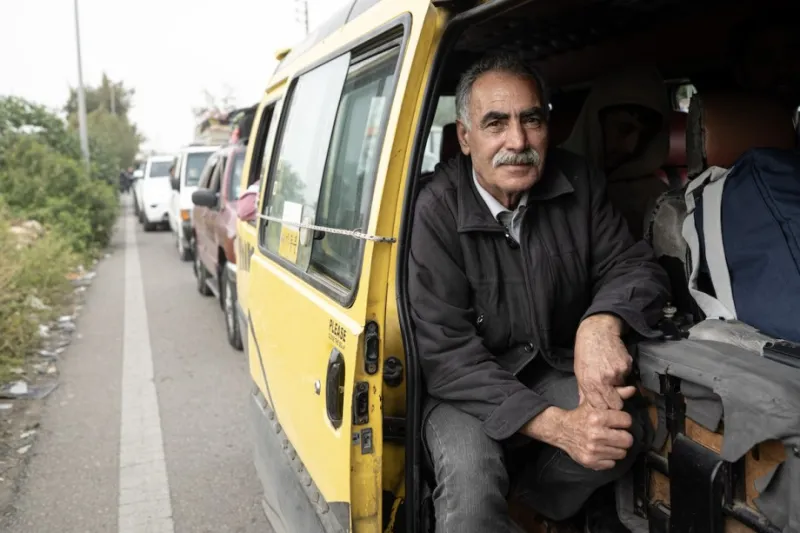
Local media reported that the reopening will alleviate significant hardship for communities that had been relying on longer, more dangerous alternative routes. The army did not provide a timeline for the bridge's full restoration.