In the May 2026 local elections, Labour suffered significant losses, losing over 200 council seats across England, according to verified results from the BBC. The party's traditional strongholds in northern England and the Midlands saw notable declines, with Reform UK, led by Nigel Farage, gaining over 100 seats. This shift has raised concerns about the stability of the UK's union, as Farage's party advocates for policies that could strain relations between England, Scotland, Wales, and Northern Ireland.
Keir Starmer, Labour's leader, acknowledged the results as 'disappointing' in a statement on May 6, 2026, but emphasized the party's long-term strategy. However, analysts from the Electoral Reform Society noted that Labour's collapse in working-class areas could embolden separatist movements, particularly in Scotland, where the SNP also made gains. The Liberal Democrats and Conservatives saw mixed results, with the Tories losing some seats to Reform UK.
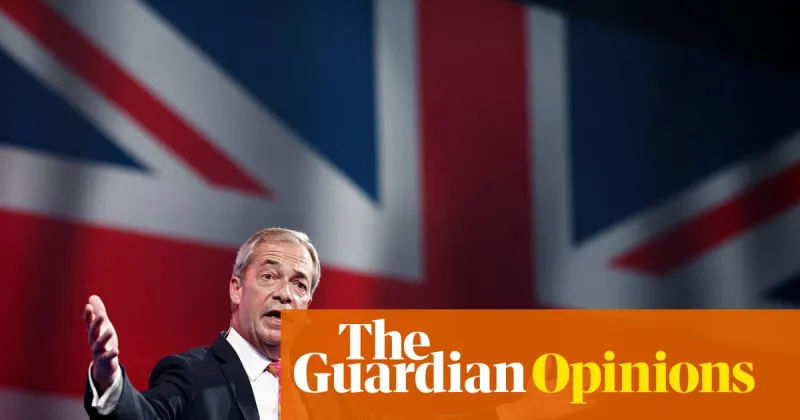
Nigel Farage, speaking after the results, claimed the elections showed 'a rejection of the establishment' and called for a 'realignment of British politics.' His party's platform includes opposition to net-zero policies and stricter immigration controls, which have resonated with voters in former Labour strongholds. The outcome has sparked debate about the future of the UK's political landscape and the potential for a referendum on the union.