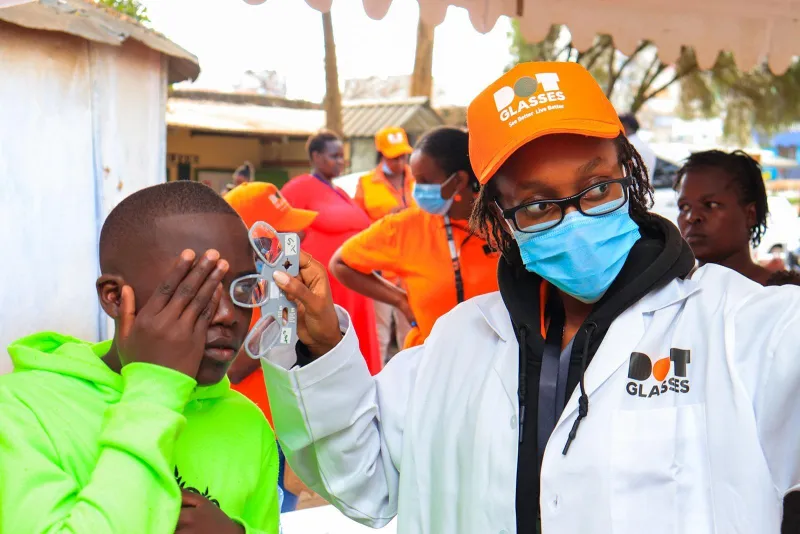
For millions of Africans, uncorrected poor vision remains a significant barrier to education, employment, and quality of life. The World Health Organization estimates that over 90 million people in Sub-Saharan Africa have a vision impairment, with a critical shortage of eye care professionals exacerbating the problem.
In Kenya, innovators are creating scalable solutions. Companies like Peleza International have developed low-cost, durable eyeglasses designed for local conditions, while others are leveraging mobile technology for vision screening. These efforts aim to make basic refractive care more accessible in underserved communities.
The economic and social impact is substantial. Studies show that correcting vision can increase worker productivity by over 20% and significantly improve children's learning outcomes. However, systemic challenges, including distribution logistics and public awareness, continue to hinder widespread adoption.
These local innovations are part of a broader movement to decentralize eye care, moving beyond urban clinics. Partnerships with community health workers and schools are crucial for reaching remote populations and integrating vision care into primary health systems.