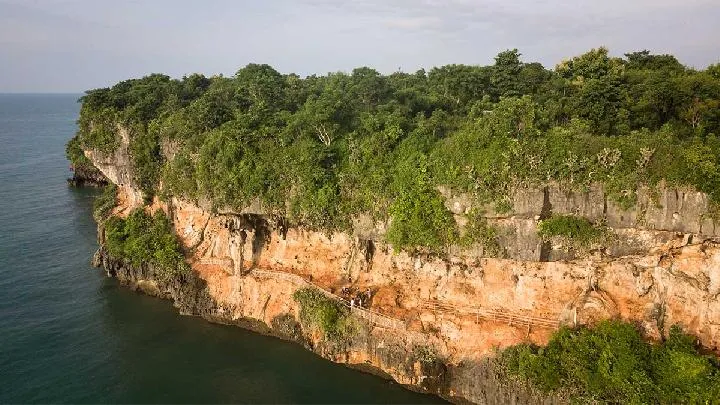
In a reflective piece, RJ Lino, former president director of PT Pelindo II, contemplates the environmental transformation of Java, Indonesia. He imagines what Sir Thomas Stamford Raffles, the British statesman who governed Java from 1811 to 1816, would feel witnessing the island's current state. Raffles, in his work 'The History of Java' (1817), described Java as a lush, green island with extensive forests and abundant wildlife.
According to data from the Indonesian Ministry of Environment and Forestry, Java's forest cover has declined from approximately 23% of the island's land area in 1950 to about 10% in 2020. This deforestation is driven by agricultural expansion, urbanization, and industrial development. The loss has led to increased flooding, landslides, and biodiversity decline, including the near-extinction of the Javan tiger (Panthera tigris sondaica), last confirmed in the 1970s.
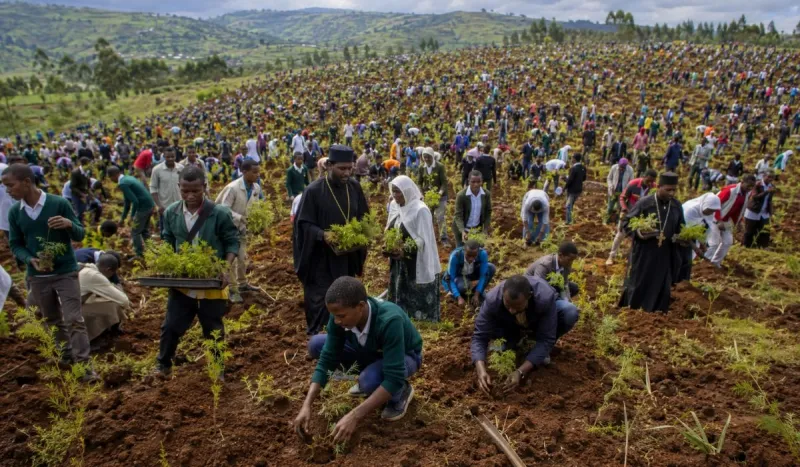
Lino's article expresses a longing to return to a greener Java, echoing broader calls for reforestation and sustainable development. The Indonesian government has initiated programs like the 'Gerakan Nasional Rehabilitasi Hutan dan Lahan' (National Movement for Forest and Land Rehabilitation) aiming to restore 2 million hectares of degraded land by 2025, though progress has been mixed.