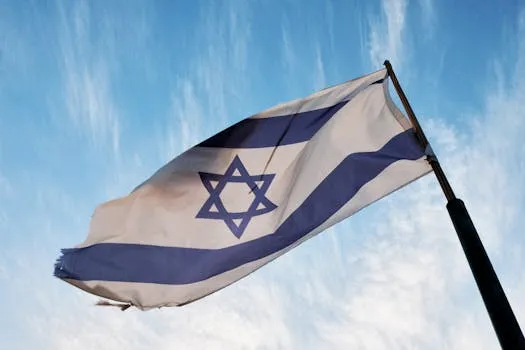
Passover 2026 arrived against a backdrop of continued conflict in Gaza and ongoing security threats across Israel. For many Israeli families, the holiday — which commemorates the ancient Israelites' liberation from slavery in Egypt — was marked by air raid sirens and time spent in bomb shelters, prompting deep reflection on what freedom and sovereignty truly mean in the modern state.
Israel has faced sustained military, diplomatic, and legal pressure since the outbreak of the Gaza war in October 2023. The conflict, now in its third year, has drawn international scrutiny, with the International Court of Justice (ICJ) proceedings brought by South Africa still ongoing, and multiple countries having suspended arms exports to Israel citing humanitarian concerns.
Critics and commentators — both inside and outside Israel — have raised pointed questions about the extent to which Israel's military and political decisions are truly independent. The country relies heavily on United States military aid, and Washington has at various points applied pressure regarding the conduct of operations in Gaza, the humanitarian situation, and ceasefire negotiations mediated by Qatar and Egypt.
Supporters of Israel argue that the country exercises full sovereign decision-making, pointing to instances where Israeli governments have acted against the explicit preferences of American administrations. They note that Israel's democracy, judiciary, and military command structure remain intact, even under wartime conditions.
The philosophical question of whether any nation — particularly a small one dependent on foreign alliances and aid — can be considered truly independent resonates beyond Israel's borders. For Israelis marking Passover in 2026, the ancient story of liberation carried an unusually immediate and personal weight.