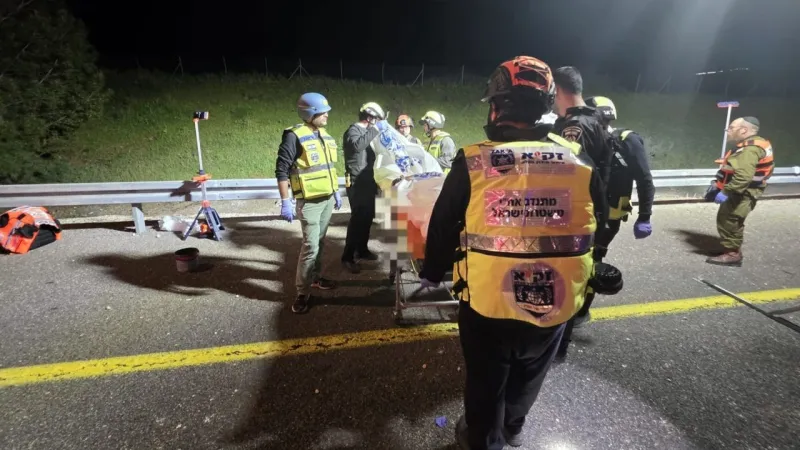
Israel's emergency response system, particularly its national ambulance service Magen David Adom (MDA) and the Home Front Command, has been recognized internationally for its rapid deployment and coordination during crises. According to the World Health Organization and various disaster response studies, Israel's model emphasizes community preparedness and centralized command.
Magen David Adom, Israel's equivalent of the Red Cross, operates with a network of volunteers and professionals who can be mobilized within minutes. The system integrates advanced technologies, such as real-time GPS tracking and communication systems, to optimize response times. In 2023, MDA responded to over 700,000 emergency calls, with an average response time of under 8 minutes in urban areas, according to MDA's annual report.
The Home Front Command, a branch of the Israel Defense Forces, coordinates civilian protection during emergencies, including natural disasters and attacks. It conducts regular drills and public awareness campaigns. The United Nations Office for Disaster Risk Reduction has cited Israel's approach as a benchmark for integrating military and civilian resources.
International delegations from countries like India, Japan, and the United States have visited Israel to study its emergency protocols. However, experts note that replicating Israel's system requires adapting to local contexts, as Israel's small size and centralized governance facilitate coordination.