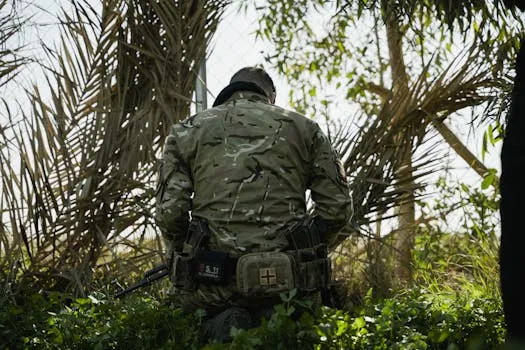
Following the 2023-2024 cross-border hostilities, Israel has established a formal security buffer zone along its northern border with Lebanon. Verified reports from Israeli military statements and international news agencies confirm the zone's primary objective is to create a defensible area to prevent Hezbollah militants from launching direct attacks on Israeli communities.
While the zone's establishment is a direct security response, it intersects with strategic interests in the Eastern Mediterranean's offshore natural gas reserves. The Karish and Leviathan gas fields, operated by Israel, lie south of the contested maritime boundary. Analysts note that securing the northern border contributes to overall stability for Israel's energy infrastructure, though the buffer zone itself is not a direct claim on maritime territory.
The Lebanese government and Hezbollah have condemned the move as a violation of sovereignty. The United Nations Interim Force in Lebanon (UNIFIL) has reported increased military activity in the area, complicating its peacekeeping mission. The situation remains tense, with the buffer zone representing a new long-term reality on the ground rooted in Israel's declared security doctrine.