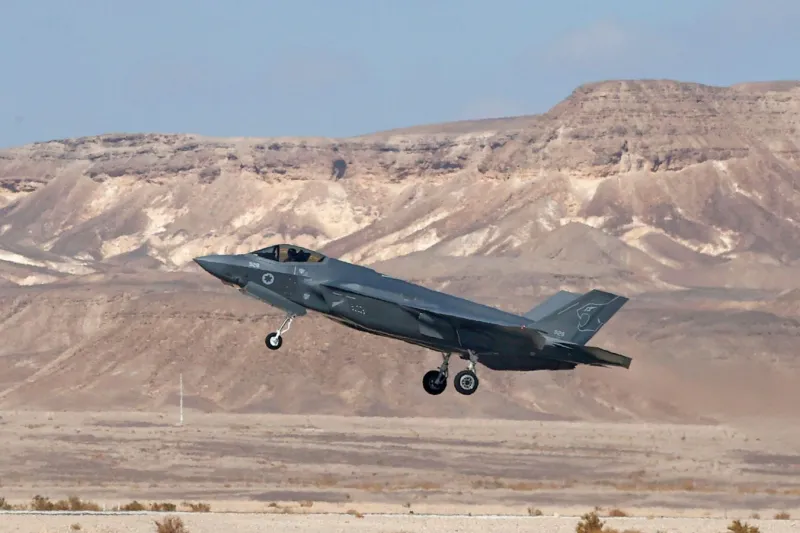
Israel's Defense Ministry is reportedly exploring the acquisition of cheap, long-range cruise missiles in large quantities as part of the country's bid to reduce its reliance on American armaments, particularly advanced combat aircraft. The move comes amid ongoing discussions about Israel's future defense needs and its relationship with the United States.
According to reports, the Israeli military is considering cruise missiles as a cost-effective alternative to fighter jets for certain missions, potentially allowing for a smaller fleet of manned aircraft. The missiles could be deployed from land, sea, or air platforms, offering flexibility and reduced risk to pilots.
While specific details of the program have not been officially confirmed, defense analysts suggest that such a shift could reflect broader trends in modern warfare, where precision-guided munitions and unmanned systems play an increasingly prominent role. Israel has a history of developing advanced missile technology, including the air-launched Popeye missile and the ground-launched LORA system.
The potential move also highlights Israel's ongoing efforts to maintain a qualitative military edge in the region while managing defense budgets. However, any significant reduction in the procurement of US-made aircraft could have implications for the bilateral defense relationship, which has long been anchored by American military aid and technology transfers.