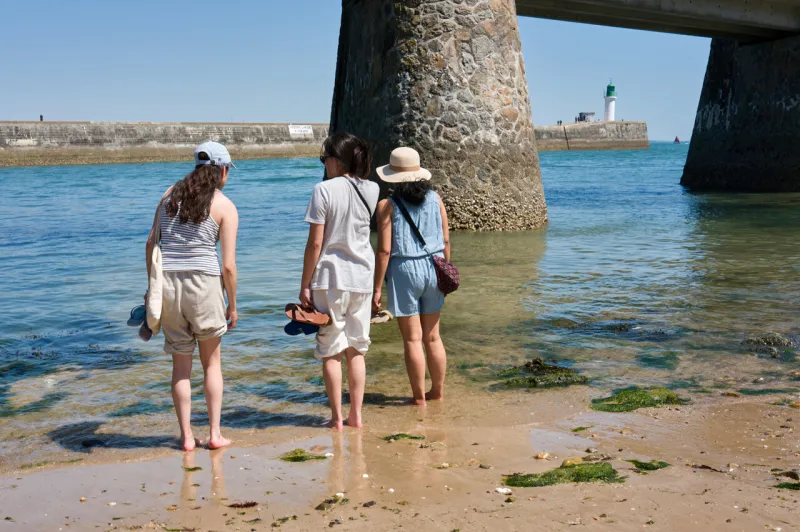
Western France, long considered a climate haven due to its temperate oceanic climate, is facing increasing scrutiny as heatwaves become more frequent and intense. According to Météo-France, the region has experienced a temperature increase of approximately 1.5°C since the pre-industrial era, slightly above the global average of 1.2°C. This trend has led to more frequent heatwaves, with the 2022 summer heatwave being particularly severe, breaking records in cities like Nantes and Rennes.
Research from the French National Institute for Agricultural Research (INRAE) indicates that the Loire Valley and Brittany are seeing shifts in agricultural patterns, with vineyards and apple orchards suffering from heat stress. The 2023 heatwave in July caused significant damage to crops, leading to a 20% reduction in apple yields in some areas. This challenges the notion of the region as a stable agricultural refuge.
Despite these changes, the region still benefits from coastal breezes and higher humidity compared to southern France. However, climate models project that by 2050, the number of heatwave days in western France could double, making it less of an 'Eldorado' and more of a zone requiring adaptation. Urban areas like Bordeaux are implementing green roofs and cooling corridors to mitigate heat island effects.
The concept of a 'climate haven' is increasingly debated among climatologists. While western France remains relatively cooler than the Mediterranean region, the rapid pace of warming means that no area is immune. The French government's National Adaptation Plan for Climate Change (PNACC) includes specific measures for the Grand Ouest, such as promoting water-efficient agriculture and reinforcing building insulation against heat.