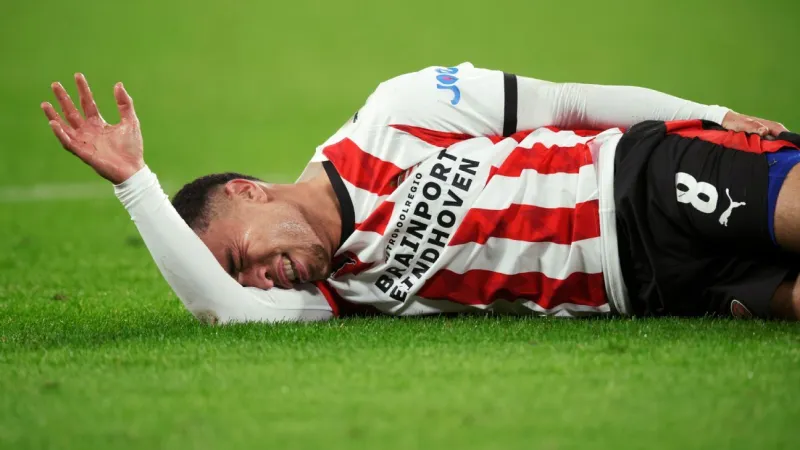
As the 2026 FIFA World Cup approaches, a significant number of elite footballers are engaged in a high-pressure race against time to recover from serious injuries. The tournament, to be hosted across the United States, Canada, and Mexico, is scheduled to begin on June 11, 2026, placing immense pressure on players and medical teams.
The psychological toll of this rehabilitation process is profound. Sports psychologists note that athletes face anxiety over losing their place in national squads and fear of re-injury, which can complicate recovery. The uncertainty of missing a career-defining event adds a unique layer of mental strain to their physical rehabilitation regimens.
Recent high-profile cases, such as France's Christopher Nkunku working to return from a knee injury, exemplify the widespread challenge. While not all players will succeed in their race to fitness, the intense focus on recovery highlights the immense value placed on World Cup participation in an athlete's career.