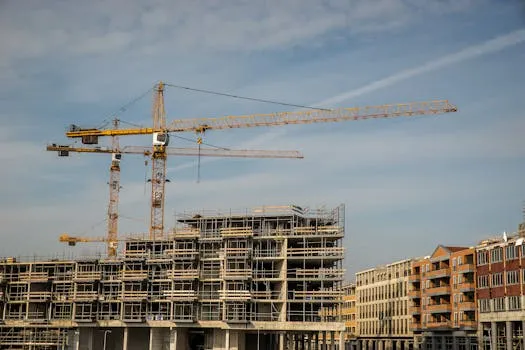
The United States is undertaking a historic expansion of its construction workforce and industrial capacity to deliver on recent major infrastructure legislation. The 2021 Bipartisan Infrastructure Law and the 2022 Inflation Reduction Act have authorized over $1 trillion in federal spending for roads, bridges, clean energy, and broadband projects, creating sustained demand for skilled labor.
This surge in projects is testing the nation's construction capabilities, leading to significant investments in workforce development. According to the Associated General Contractors of America, 77% of construction firms report they are having difficulty filling salaried and hourly craft positions. In response, industry groups and the federal government are expanding apprenticeship programs and training initiatives to build a pipeline of workers.
The concept of "construction muscle memory" refers to the institutional knowledge and skilled workforce that is developed and retained through continuous, large-scale projects. Analysts suggest that the current investment wave, if sustained, could rebuild this domestic capacity, which had atrophied in recent decades. However, challenges remain, including supply chain constraints, permitting delays, and the need for more efficient project delivery to keep pace with funding.