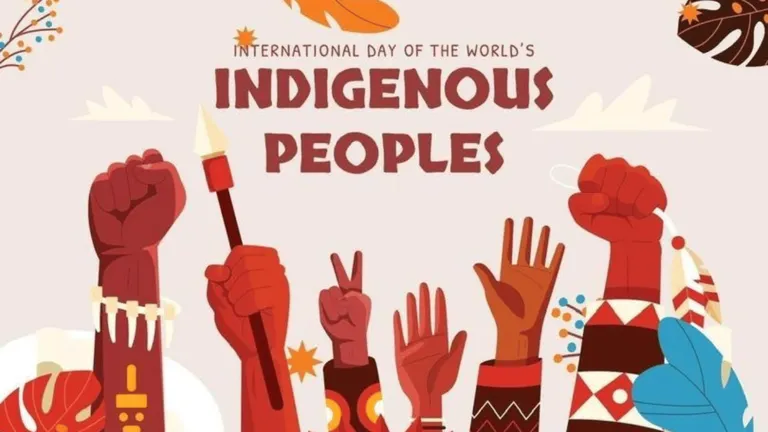
The International Day of the World's Indigenous Peoples is observed annually on August 9, as proclaimed by the United Nations General Assembly in 1994. The 2026 observance focused on the theme 'Protecting the Rights of Indigenous Peoples in Voluntary Isolation and Initial Contact,' drawing attention to the vulnerabilities of these communities.
Events took place globally, including a virtual commemoration organized by the UN Department of Economic and Social Affairs, featuring statements from UN officials and indigenous leaders. In Brazil, indigenous groups held marches in Brasília to demand stronger protection of their territories, which face threats from illegal mining and deforestation. In Canada, community gatherings and cultural festivals celebrated indigenous heritage and promoted reconciliation efforts.
The day also highlighted the role of indigenous peoples as stewards of the environment. According to the UN, indigenous peoples manage about 25% of the world's land surface, which contains significant biodiversity. Calls were renewed for governments to include indigenous knowledge in climate policies and to implement the UN Declaration on the Rights of Indigenous Peoples.
As of 2026, the UN reports that there are an estimated 476 million indigenous peoples living in more than 90 countries. Despite their contributions, they continue to face systemic discrimination, land dispossession, and threats to their cultural survival. The 2026 events served as a reminder of the urgent need for concrete action to uphold their rights.