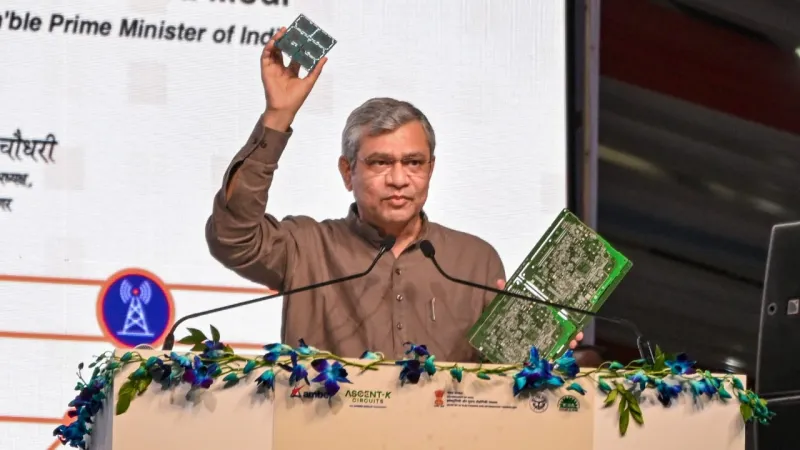
On July 15, 2026, the Union Cabinet of India approved the second phase of the India Semiconductor Mission (ISM 2.0) with an outlay of Rs 1.27 lakh crore (approximately $15 billion). This is significantly higher than the first phase's allocation of Rs 76,000 crore.
The decision was announced by Union Minister Ashwini Vaishnaw following the Cabinet meeting. The mission aims to deepen India's semiconductor ecosystem by supporting the establishment of fabrication units, chip design, and packaging facilities.
According to government sources, the expanded budget is intended to attract global semiconductor manufacturers and boost domestic production. The first phase of the mission, launched in 2021, had an outlay of Rs 76,000 crore and led to several investment proposals.
Industry experts note that the new phase comes amid global efforts to diversify semiconductor supply chains away from Taiwan and China. India has been positioning itself as a reliable alternative, with several states offering additional incentives.