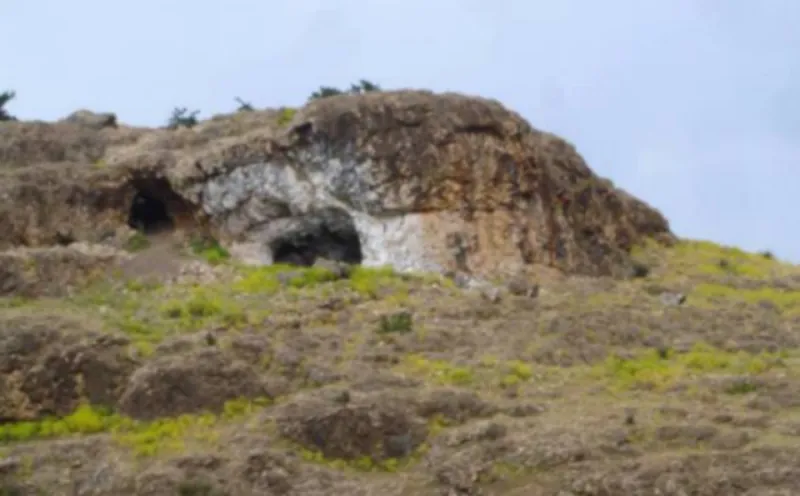
The Ifri n'Amr o'Moussa cave, located near the town of Beni Mellal in central Morocco, is a significant archaeological site that has yielded evidence of human occupation dating back to the Neolithic period, approximately 5,000 to 6,000 years ago. Discovered in the early 20th century, the cave has been the focus of numerous excavations, revealing stone tools, pottery, and animal remains that provide insights into early agricultural and pastoral societies in North Africa.
Recent studies, including those published in 2023, have highlighted the cave's importance for understanding the transition from hunter-gatherer lifestyles to settled farming communities in the region. Artifacts such as grinding stones and domesticated plant remains suggest that inhabitants cultivated crops like barley and wheat, while animal bones indicate the herding of sheep and goats.
The cave's name, which translates to 'Cave of the Mother of Amr o'Moussa' in the local Berber language, reflects its cultural significance to the indigenous Amazigh people. Despite its archaeological value, the site faces threats from erosion and limited conservation funding, prompting calls for increased protection and research.